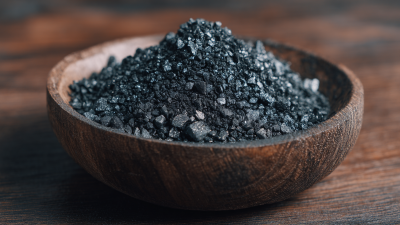
When it comes to enhancing the efficacy of your projects, understanding the use of Graphite Natural can make a significant difference. This versatile material, renowned for its unique properties such as high thermal conductivity and lubrication, plays a pivotal role across various industries, from electronics to automotive. By leveraging the distinct advantages of Graphite Natural, you can elevate your project's performance, ensuring it meets and exceeds expectations.
In this exploration of the top ten tips for effective use of Graphite Natural, we aim to provide you with insights that can facilitate smoother integration into your work. Whether you're an engineer looking to improve mechanical components or a designer seeking innovative applications, these tips will guide you in harnessing the full potential of Graphite Natural. By understanding its characteristics and the best practices for application, you can unlock new possibilities for innovation and efficiency, making your projects stand out in an increasingly competitive landscape.
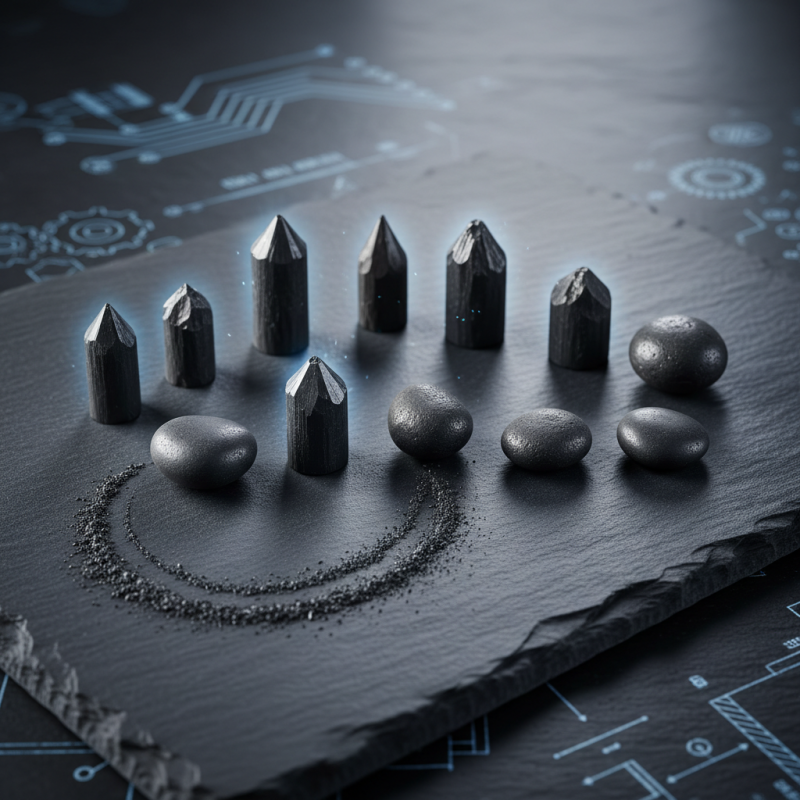
When it comes to utilizing graphite in your projects, understanding its unique properties can significantly enhance your results. One of the key tips for effective use is to choose the right grade of graphite for your specific application. Higher grades provide better conductivity and are ideal for electronics, while lower grades work well for less demanding uses, such as art or general crafting.
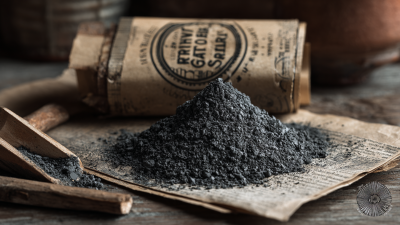
Another important aspect is the method of application. For projects requiring precision, using refined graphite powder can allow for more controlled distribution. Consider using a fine brush or a pencil for detailed work, ensuring that the graphite adheres uniformly to the surface. Additionally, blending graphite with other materials can create innovative textures and effects, enhancing the overall visual appeal of your project while maintaining its functionality.
Lastly, proper storage of graphite products is essential to maintain their integrity. Keep them in a cool, dry place to prevent degradation and clumping. This simple practice ensures that your graphite is always ready for your creative endeavors, allowing you to achieve the best results every time you use it.
Graphite, a naturally occurring form of carbon, boasts a range of unique properties that make it invaluable for various industrial applications. With a high thermal conductivity of around 1500 watts per meter per Kelvin, graphene's ability to conduct heat efficiently is enhanced, making it ideal for applications in electronics and energy storage. Furthermore, graphite exhibits excellent lubricity and resistance to chemicals, which contributes to its widespread use in manufacturing lubricants and battery components. According to a recent report by the Global Graphite Market Analysis, the demand for natural graphite is anticipated to grow at a CAGR of 4.8% through 2030, reflecting its crucial role in advanced technologies.
When utilizing graphite in your projects, consider these tips for effective application. First, ensure you choose the right grade of graphite for your specific needs—flake graphite is often preferred for batteries due to its high surface area, while amorphous graphite works well in lubricants. Second, integrate graphite into composite materials to enhance their mechanical properties, as studies show that just a 5% addition can significantly improve tensile strength. Lastly, remember to address environmental considerations; opting for responsibly sourced natural graphite not only aligns with sustainability goals but can also improve your project's acceptance among eco-conscious stakeholders.
Selecting the right grade of graphite is crucial for maximizing its effectiveness in your projects. The first step in this process is to understand the specific requirements of your application. Graphite comes in various grades, each offering distinct properties such as purity, stiffness, and thermal conductivity. For example, high-purity graphite is essential for applications in electronics or aerospace, where minimal impurities can prevent failures or disruptions.
Moreover, considering the particle size of the graphite is equally important. Fine particle graphite may be suitable for high-precision applications, while larger particles might be more effective for applications requiring better structural integrity. Each grade offers unique advantages that can enhance performance depending on whether the project is focused on thermal management, lubrication, or electrical applications. By carefully assessing the specific needs of your project and matching them with the appropriate graphite grade, you can significantly improve both efficiency and outcomes.
Maximizing graphite efficiency in industrial applications requires a strategic approach to its use. One effective technique is to optimize the processing conditions, such as temperature and pressure, which can significantly enhance the material's properties. For instance, maintaining precise temperatures during graphite machining minimizes wear on tools and ensures better surface finishes. Additionally, employing advanced lubrication techniques can reduce friction and extend tool life, ultimately improving productivity.
Another crucial aspect is to leverage the unique characteristics of different graphite grades. Selecting the appropriate grade for specific applications—whether it’s for thermal conductivity, electrical performance, or mechanical strength—can lead to better outcomes. Industries can benefit from detailed knowledge of how various grades behave under different conditions, allowing for the customization of graphite applications. Lastly, regular maintenance of equipment used in graphite processing can prevent losses due to inefficiencies, ensuring that industrial uses of graphite yield optimal results. By focusing on these techniques, industries can fully harness the potential of graphite in their projects.
| Tip Number | Technique | Application | Efficiency Benefits |
|---|---|---|---|
| 1 | Proper Grinding | Pencil manufacturing | Enhances writing smoothness |
| 2 | Using Appropriate Binder | Battery production | Improves electrical conductivity |
| 3 | Controlled Pressure | Heat-resistant materials | Enhances strength and durability |
| 4 | Effective Lubrication | Machining processes | Reduces wear and tear |
| 5 | Proper Storage | Graphite powder | Maintains quality and prevents contamination |
| 6 | Optimal Temperature Control | Thermal applications | Increases thermal efficiency |
| 7 | Use of High Purity Graphite | Electronics and semiconductor | Increases effectiveness in applications |
| 8 | Consistent Quality Checks | Production line | Reduces defects and waste |
| 9 | Use of Graphite Composites | Advanced materials | Improves lightweight design |
| 10 | Experiment with Different Forms | Various applications | Maximizes versatility and effectiveness |
As the global demand for natural graphite surges, projected to expand from $2.35 billion in 2025 to $4.62 billion by 2032 with a CAGR of 10.1%, sustainable sourcing has become a crucial focus for the industry. Environmental considerations in graphite procurement are essential to minimize ecological impact and ensure a responsible supply chain. Implementing a comprehensive mine-to-market strategy not only helps in maintaining sustainability but also enhances resilience against supply chain disruptions, particularly important for sectors relying on battery technology, such as electric vehicles.
Vertical integration in the graphite supply chain can substantially add value by streamlining processes from extraction to end-use applications. This approach allows companies to maintain tighter control over the quality and environmental practices of their operations. As the industry shifts towards more eco-friendly practices, adopting sustainable sourcing methods not only aligns with regulatory expectations but also meets the growing consumer demand for ethically sourced materials. By prioritizing environmentally responsible methods, companies can secure their position in the rapidly evolving market while contributing positively to global sustainability efforts.
The article "Top 10 Graphite Natural Tips for Effective Use in Your Projects" provides a comprehensive guide to leveraging graphite natural for a variety of project applications. It begins by exploring the unique properties and benefits of graphite natural, highlighting its versatility in different industrial settings. Key considerations include selecting the appropriate grade of graphite natural to meet specific project requirements and employing techniques that enhance the material's efficiency in production processes.
Furthermore, the article emphasizes the importance of sustainable sourcing of natural graphite, addressing environmental considerations that arise from its extraction. It also sheds light on the latest innovations and trends in graphite technology, which are poised to impact future project developments significantly. By following these tips, project managers and engineers can make informed decisions that optimize the use of graphite natural, ensuring both performance and sustainability in their ventures.