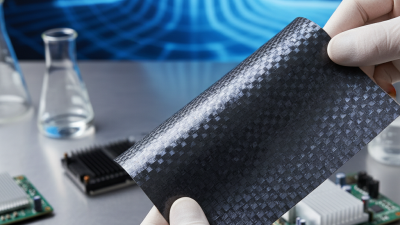
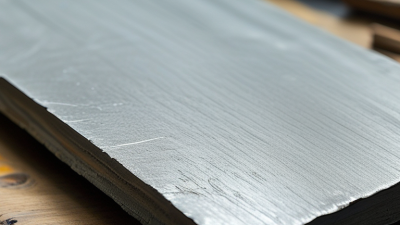
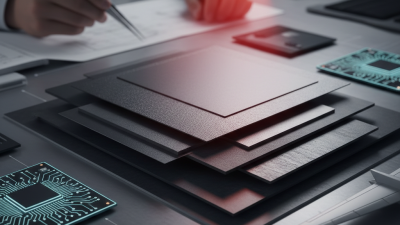
What is Thermal Graphite Film and its Benefits for Buyers?
Thermal Graphite Film is gaining attention across various industries for its outstanding thermal management capabilities. According to a recent report from MarketsandMarkets, the thermal interface materials market is expected to grow from $2.9 billion in 2021 to $5.1 billion by 2026, driven in part by innovations like thermal graphite films. These films offer superior thermal conductivity and lightweight properties, making them ideal for applications in electronics and renewable energy sectors.
The advantages of Thermal Graphite Film extend beyond mere performance. They are also versatile and can be engineered to meet specific design requirements. This adaptability allows manufacturers to optimize their products while minimizing thermal resistance. In addition, a study by IDTechEx reveals that thermal management solutions are critical in preventing overheating in high-performance electronic devices.
However, while the benefits are clear, some challenges exist. Buyers must consider factors such as material thickness and potential cost implications. The market is evolving, and reliable suppliers are essential for obtaining quality Thermal Graphite Film. Awareness of these dynamics will help buyers make informed decisions.
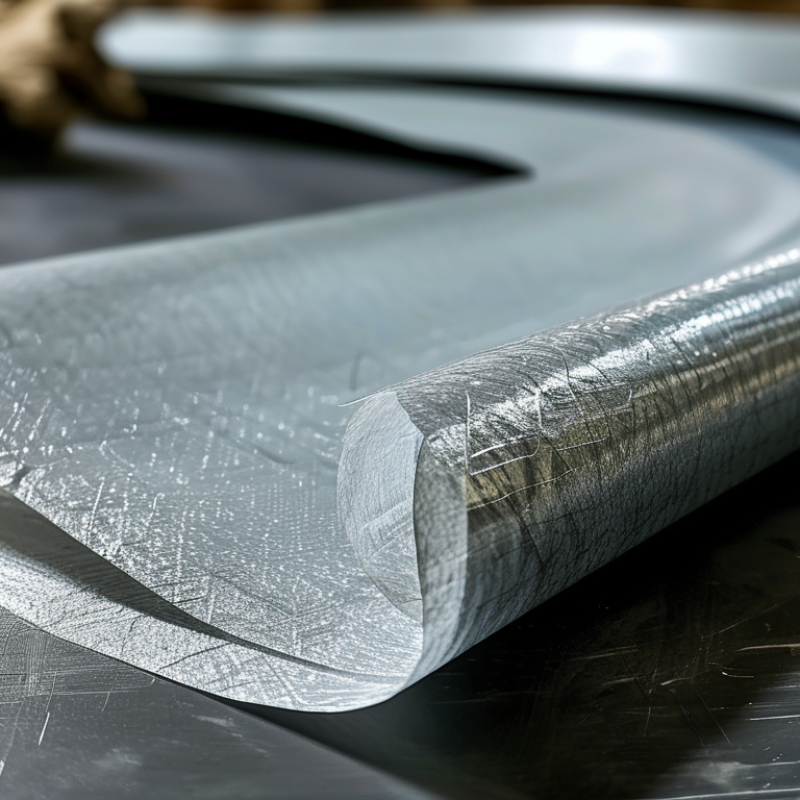
What is Thermal Graphite Film and How Does it Work?
Thermal graphite film is a unique material known for its excellent thermal conductivity. It is made from high-purity graphite, which has a layered structure allowing heat to transfer efficiently. When applied in electronics, this film helps manage heat dissipation. The ability to effectively spread heat can enhance the performance and longevity of devices.
In operation, thermal graphite film absorbs heat from components and distributes it evenly. This process helps maintain optimal working temperatures, crucial for devices like smartphones and computers. The film's flexibility offers an advantage, enabling it to conform to various surfaces. This characteristic can improve a product's design and functionality.
Despite its benefits, thermal graphite film may not suit every application. The effectiveness depends on the specific context and how it interacts with other materials. Buyers must evaluate their needs, considering factors like thermal requirements and space constraints. It’s essential to reflect on these aspects to ensure optimal performance in any project.
Key Material Properties of Thermal Graphite Film for Effective Heat Transfer
Thermal graphite film is a highly efficient material designed for heat transfer applications. Its unique properties make it an essential choice for industries that require effective thermal management. The film boasts excellent thermal conductivity, allowing it to dissipate heat quickly and evenly. This performance can enhance the longevity and reliability of electronic devices.
One key property of thermal graphite film is its flexibility. This allows for easy integration into various designs and supports custom applications. Additionally, it is lightweight, making it an ideal option for space-sensitive environments. The film can also withstand a wide temperature range, ensuring stability under different operating conditions.
Tips: When choosing thermal graphite film, consider the application’s specific thermal requirements. Ensure you evaluate the thickness and bonding methods best suited for your needs. Custom cut-to-size options are available for unique projects, making it easier to optimize performance. Always consult with technical experts to identify the right specifications for your application.
Applications of Thermal Graphite Film in Electronics and Other Industries
Thermal graphite film is gaining traction across various industries, particularly in electronics. Its exceptional thermal conductivity makes it a reliable solution for thermal management. Manufacturers often use it to dissipate heat in high-performance electronic devices. The film seamlessly integrates into devices, providing efficient heat transfer in tight spaces.
In the automotive sector, thermal graphite film is essential for battery performance. Electric vehicles rely on effective cooling solutions to maintain battery life and efficiency. This material is lightweight, which is a crucial factor in vehicle design. Its flexibility allows for easy application in intricate designs. However, some companies may overlook the importance of proper adhesion when using this film, leading to potential thermal issues.
The medical industry is also exploring thermal graphite film for imaging devices. Accurate thermal regulation is vital for the performance of medical equipment. Yet, not all applications have proven successful. Companies must conduct thorough testing to realize the full benefits. Balancing effectiveness and cost remains a challenge in adopting this technology.
Cost-Benefit Analysis of Thermal Graphite Film for Manufacturers and Consumers
Thermal graphite film has gained attention in various industries for its efficient heat management properties. This unique material plays a crucial role in enhancing thermal conductivity. Its ability to distribute heat evenly makes it valuable in electronics, automotive, and renewable energy sectors. As manufacturers explore its benefits, they find that it significantly improves the performance of products.
For buyers, a cost-benefit analysis reveals promising advantages. The initial investment in thermal graphite film may seem high, but the long-term savings are noteworthy. Reduced energy consumption translates to lower operational costs. Moreover, better heat dissipation can extend the life of electronic devices. This durability can reduce replacement frequency, offering further financial advantages.
However, some potential buyers express concerns about sourcing quality materials. Not all thermal graphite films offer the same level of performance. Understanding the specifications and applications is essential. The market can be overwhelming. Consumers should invest time in research to ensure they choose the right product for their needs. Balancing cost and quality remains a pivotal challenge in this evolving field.
What is Thermal Graphite Film and its Benefits for Buyers? - Cost-Benefit Analysis of Thermal Graphite Film for Manufacturers and Consumers
| Dimension |
Description |
Value |
| Thermal Conductivity |
Measure of material's ability to conduct heat |
1500 W/mK |
| Cost per Square Meter |
Average market price for Thermal Graphite Film |
$30 |
| Thickness |
Typical thickness of the film |
0.1 mm |
| Weight |
Weight per square meter |
50 g/m² |
| Usage Areas |
Common applications for the film |
Electronics, HVAC, Automotive |
| Lifespan |
Expected operational lifespan under normal conditions |
5 years |
| Environmental Impact |
Impact on the environment and recyclability |
Low impact, recyclable |
Future Trends in Thermal Graphite Film Technology and Market Growth Potential
Thermal graphite film technology is gaining traction in various industries, driven by rising demand for efficient thermal management solutions. According to a recent market analysis report, the global thermal management market is forecast to grow at a CAGR of over 6% through the next five years. This growth reflects the increasing need for effective heat dissipation in electronics and electric vehicles.
Future trends highlight advancements in manufacturing processes, which enhance film quality and performance. Researchers are exploring sustainable materials to create eco-friendly thermal solutions. As industries aim for greener technologies, the shift may influence market dynamics significantly.
Tip: When selecting thermal graphite film, consider thickness and thermal conductivity. Understand your specific application needs. Keep an eye on material certifications as they can affect performance.
The market's attractiveness lies in its potential for integration with emerging technologies. Investing in thermal graphite films now could yield high returns as industries evolve. The adaptability of these materials makes them suitable for various applications, from consumer electronics to high-performance automotive systems. The continuous push for innovation, however, raises questions about long-term sustainability. Ensure your source adheres to quality standards for reliability and performance.