Top Sources for Natural Graphite Supply in China?

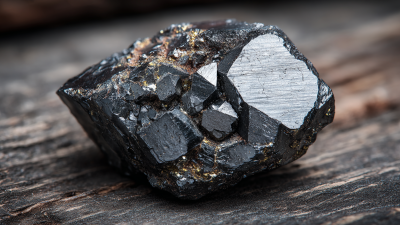
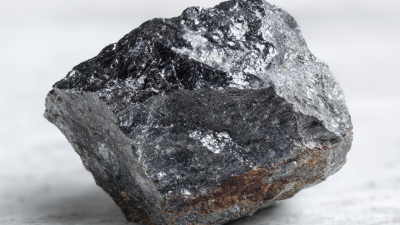
Natural graphite is a critical resource in various industries, especially in the battery and electric vehicle sectors. China dominates the global natural graphite supply, accounting for approximately 60% of the world's production. Major companies, like Zhongtai International, lead this market by leveraging extensive mining operations.

The global demand for natural graphite is expected to rise, driven by advancements in technology. According to a recent report by MarketsandMarkets, the natural graphite market is projected to reach USD 24.8 billion by 2030. This growth highlights the importance of reliable supply chains and quality control.

While China's resources are abundant, challenges remain. Environmental concerns and regulatory pressures impact production levels. Companies must balance profit with sustainable practices. There is an ongoing need to innovate, ensuring the supply of natural graphite remains robust and responsible. As industries evolve, so too must the strategies for sourcing this vital mineral.
Top Sources for Natural Graphite Supply in China?

Top Graphite Producing Regions in China

China is a leading producer of natural graphite, with several key regions contributing significantly to its output. The Heilongjiang Province is known for its high-quality flake graphite. Reports show that it accounts for around 25% of China's total graphite production. This region boasts a rich geological formation, which supports the extraction of large flake sizes, prized in battery applications and other high-tech industries.

Another important area is Shandong Province, where amorphous graphite is primarily produced. Data indicates that this province alone contributes approximately 30% of the national supply. The advantages here lie in lower production costs and accessibility to established industrial networks. However, with increasing demand, concerns about environmental impacts and sustainable practices in mining are becoming more prominent.

The inner region of Xinjiang is also emerging as a graphite hub. It offers vast untapped reserves. Nevertheless, logistical challenges often hinder efficient production and transport. As China aims for a green economy, balancing production demands and ecological impacts will be essential. Understanding these production regions is crucial for stakeholders in the global graphite supply chain.

Key Players in the Chinese Natural Graphite Market

In recent years, the natural graphite market in China has seen significant developments. Several key players are driving the growth of this sector. These companies focus on both production and innovation to meet increasing demand. According to a 2022 report from a renowned industry research firm, China's share of natural graphite production reached 65% of global output. This illustrates the country's dominant role in the supply chain.

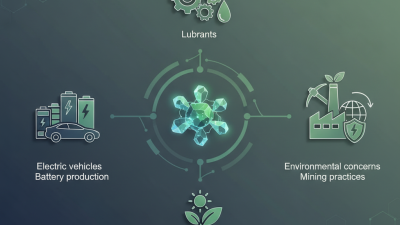
The principal players in the Chinese market include mining and processing companies. They contribute to various sectors, including batteries and lubricants. Analysis shows that the battery sector is the fastest-growing application for natural graphite. The demand for electric vehicles continues to fuel this trend. Some firms have increased their production capacities significantly in response to market needs.

Tip: Always check market reports for the latest data. Trends can shift rapidly in this industry.

Despite the growth, challenges persist. Environmental regulations are becoming stricter. Companies must adapt their practices to comply with these rules. The balance between production and sustainability is crucial for long-term success.

Tip: Explore local partnerships. Collaborating with smaller enterprises can enhance supply chain efficiency.

Extraction and Processing Methods for Graphite in China

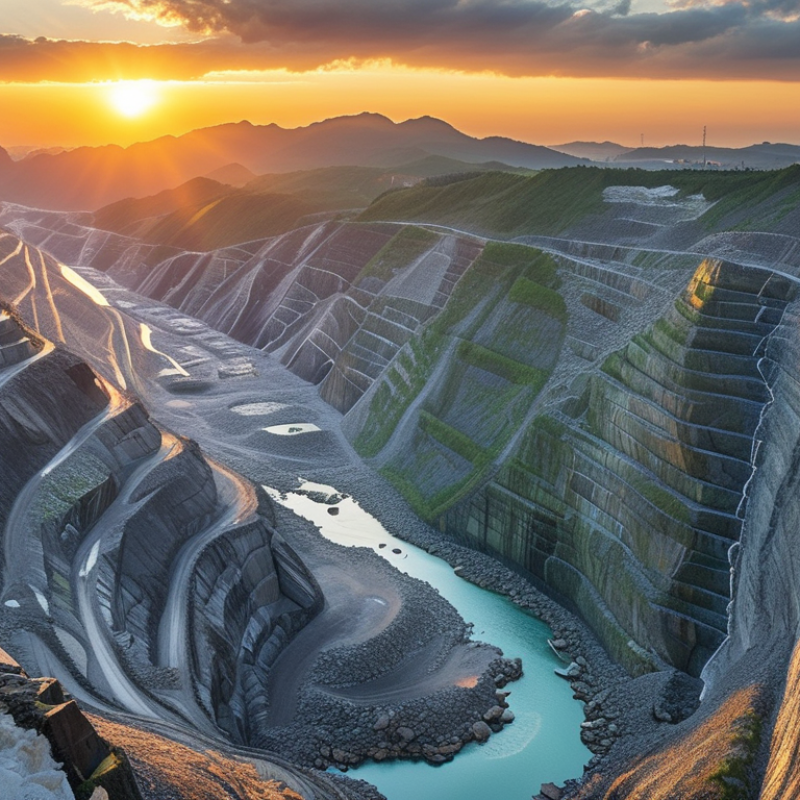
Graphite extraction and processing in China have evolved significantly. The country is a leading producer of natural graphite, which is essential for various industries. Most graphite mines are located in provinces like Heilongjiang and Shanxi. Here, mining techniques range from open-pit to underground methods. Each method affects the quality and purity of the graphite. Open-pit mining is often seen as cost-effective. However, it can lead to environmental concerns like land degradation.

Processing methods also vary. Typically, mined graphite undergoes crushing, grinding, and flotation. This standard process aims to increase purity. Advances in technology have introduced more efficient techniques. For instance, some facilities now use chemical treatments to enhance quality. However, such treatments can have implications for safety and environmental sustainability. The ongoing challenge is balancing efficiency with ecological responsibility. As China continues to lead in graphite supply, the industry must reflect on these processing choices while addressing their broader impacts.

Top Sources for Natural Graphite Supply in China

Source Region Extraction Method Processing Technology Annual Production (tons) Market Share (%)
Heilongjiang Open-pit Mining Flotation 150,000 30
Shandong Underground Mining Hydraulic Reprocessing 120,000 25
Xinjiang Open-pit Mining Chemical Processing 100,000 20
Liaoning Open-pit Mining Milling and Sizing 80,000 15
Tibet Underground Mining Gravity Separation 50,000 10

Supply Chain Dynamics of Natural Graphite in China

The supply chain dynamics of natural graphite in China reveal a complex landscape influenced by various factors. Graphite is essential in multiple industries, particularly in lithium-ion batteries and electric vehicles. The extraction process, however, often encounters challenges due to environmental regulations. Striking a balance between production and sustainability is crucial.

Local mines remain the primary source of natural graphite. However, transport logistics can be cumbersome. Many producers face delays due to infrastructure issues. This can impact the supply consistency. Also, there’s a rising demand from international markets. Companies in China must adapt to fluctuations in global pricing and availability.

Competition within the industry is intense. Smaller firms often struggle to keep up with larger players' technological advancements. Innovation in mining techniques could improve efficiency but carries risks. The evolving regulatory landscape adds another layer of complexity. Stakeholders should focus on transparency to navigate these changes efficiently and responsively.

Natural Graphite Supply Sources in China

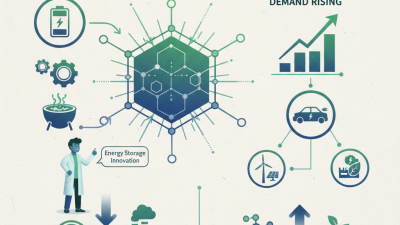
This chart illustrates the distribution of natural graphite supply sources in China, highlighting various regions and their respective contributions to overall supply. The data reflects the dynamics of the supply chain for natural graphite.

Future Trends and Challenges in China's Graphite Supply Sector

China's graphite supply sector faces significant challenges as it adapts to future trends. Environmental regulations are becoming stricter. Companies must find ways to comply while maintaining output levels. The balance between sustainability and production efficiency is crucial. Innovations in extraction techniques are on the rise. More eco-friendly methods could reshape the industry.

Demand for graphite continues to grow, driven by electric vehicle markets and green technologies. However, this increasing demand strains existing resources. The availability of high-quality natural graphite may become a pressing issue. Investment in new mines is essential, yet it often requires substantial capital and time. Local communities might oppose new projects due to environmental concerns.

Additionally, fluctuations in global supply chains can disrupt the market. Geopolitical tensions or trade policies may impact supply. Companies must stay agile and adapt to these uncertainties. A keen understanding of both local and international markets is essential for staying competitive. Graphite suppliers must also prioritize transparency and sustainability in all operations. This focus will strengthen their position in a rapidly evolving landscape.