Natural Graphite Tips for Effective Use in Industry and Daily Life?
Natural Graphite plays a crucial role in many industries and daily applications. Its unique properties make it valuable. From lubricants to batteries, its versatility is impressive. However, effective use requires knowledge. Users should understand the specific qualities of natural graphite.
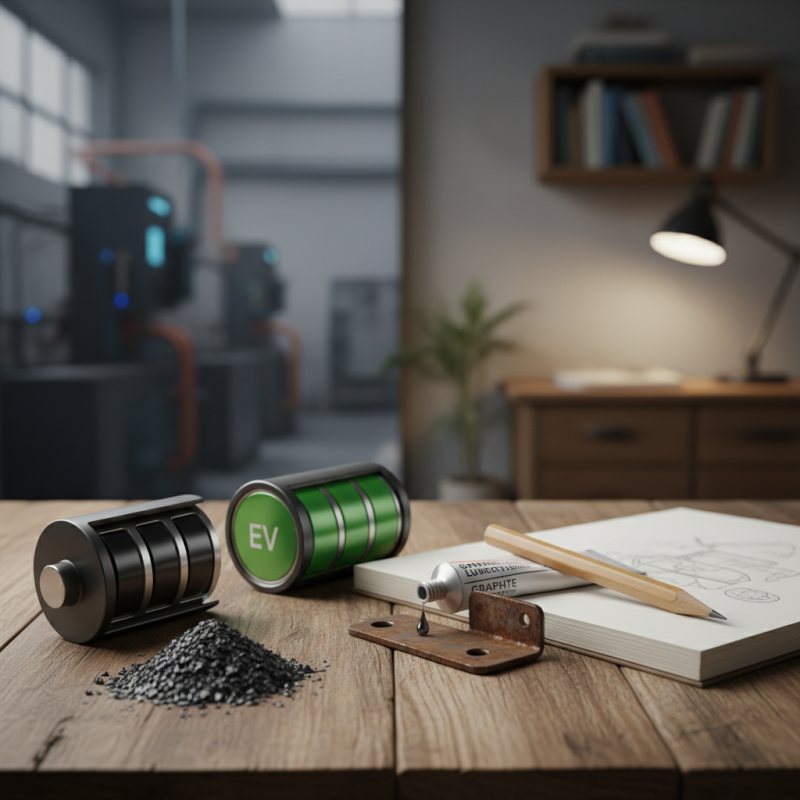
In industrial settings, natural graphite provides excellent conductivity and heat resistance. For instance, it's often used in electric vehicle batteries. But using it incorrectly can lead to inefficiencies. Knowing the right formula is essential for maximizing performance.
In everyday life, natural graphite shows up in surprising ways. It helps lubricate door hinges or is found in quality pencils. Yet, not everyone realizes its potential. Misunderstandings about its use can lead to missed opportunities. Embracing natural graphite can enhance both work and play, but we must learn to use it wisely.
Understanding Natural Graphite: Properties and Forms
Natural graphite is an essential material in various industries. Its unique properties, such as high thermal conductivity and lubricity, make it valuable. Many industries utilize natural graphite in batteries, lubricants, and even in steel production. According to the Global Graphite Market Report 2022, the demand for natural graphite is projected to grow at a CAGR of over 5% through 2030.
Natural graphite comes in three forms: flake, amorphous, and lump. Flake graphite is commonly used in batteries due to its high purity and conductivity. Amorphous graphite, while less pure, has applications in lubricants and pencils. Lump graphite is often found in high-temperature applications. Each form has unique characteristics, affecting its suitability for specific uses.
Despite its benefits, there are challenges. Obtaining high-purity graphite can be difficult, impacting overall product quality. Additionally, the environmental implications of mining need consideration. Sustainable practices are still evolving in this sector. As industries grow, so does the responsibility to source materials responsibly.
Common Applications of Natural Graphite in Various Industries
Natural graphite is a versatile material widely used in various industries. One of its primary applications is in batteries. Graphite serves as a crucial component in lithium-ion batteries, powering everything from smartphones to electric vehicles. It enhances energy storage and improves overall performance. However, the mining of graphite raises environmental concerns.
In the steel industry, natural graphite is essential. It acts as a lubricant during the manufacturing process. This helps in reducing friction and wear on machinery. Yet, the reliance on graphite can lead to resource depletion over time. Efforts to find sustainable alternatives are ongoing but face challenges.
Graphite also finds its place in everyday items. Pencils, one common example, use graphite for writing. The smoothness of the material provides a satisfying experience. Nevertheless, the balance between quality and sustainability remains a question for manufacturers. Exploring alternatives or improving mining processes could provide better results, promoting responsible use of this valuable resource.
Common Applications of Natural Graphite in Various Industries
Tips for Utilizing Natural Graphite in Daily Life Activities
Natural graphite is versatile and useful. In daily life, it can simplify various tasks. For cooking, graphite-based coatings are ideal for non-stick pans. They help cook food evenly without sticking. The smooth surface makes cleaning easier too.
In art, graphite is essential for drawing. Artists use pencils with graphite for sketching. The texture allows for precise lines and shading. However, not all graphite pencils are the same. Choosing the right hardness affects the outcome. Experimenting can lead to better results but may require several attempts.
For DIY projects, natural graphite can lubricate squeaky hinges. A simple application can reduce friction and noise. It's an eco-friendly solution, unlike many chemical lubricants. However, over-application can attract dust, necessitating mindful use. Recognizing balance is key. Finding ways to integrate graphite into everyday tasks can enhance productivity and creativity.
Future Trends and Innovations in Natural Graphite Usage
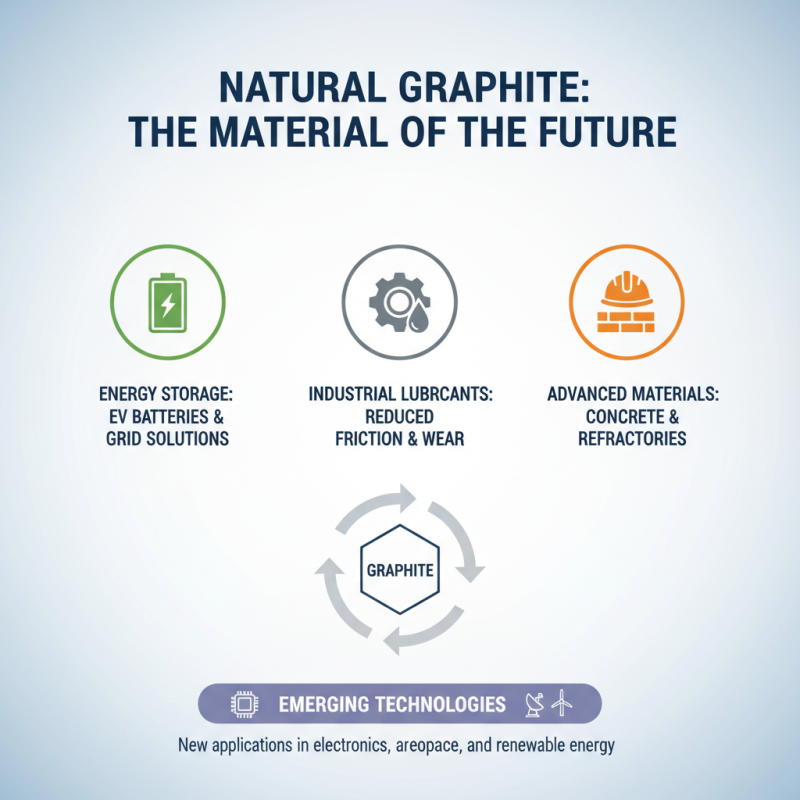
Natural graphite is gaining attention across various sectors. Its unique properties lend themselves well to multiple applications. In industry, graphite serves as a crucial component in batteries, lubricants, and even in construction materials. As technology develops, new uses for natural graphite are emerging.
Innovations in processing techniques are shaping its future. Enhanced purity and better material characteristics can lead to more efficient energy storage. Researchers are exploring its role in green technologies, such as renewable energy systems. The shift towards sustainable practices creates a growing market for natural graphite. However, the challenge remains in sourcing it responsibly.
In daily life, people may find natural graphite in writing instruments and high-quality paints. The evolving consumer preferences for eco-friendly products drive the exploration of its attributes. Embracing these trends may require consumers to reconsider their choices. Awareness and education play crucial roles in this transformation. Not all information is readily available, and misconceptions may arise about natural graphite's benefits. This ongoing dialogue is essential for informed decision-making in its usage.