What is a Graphite Sheet and How is it Used?
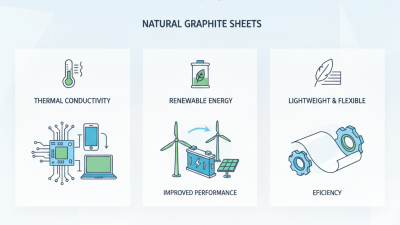
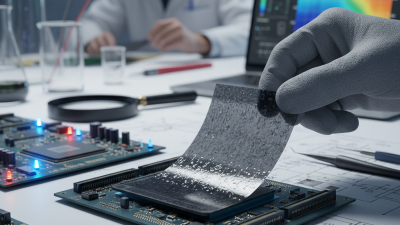
Graphite Sheet is an intriguing material widely used across various industries. According to a recent market analysis, the global graphite sheet market is expected to reach $1.5 billion by 2026, with a CAGR of 6.2%. This growth reflects its increasing application in electronics, automotive, and energy sectors. In electronics, Graphite Sheets serve as thermal management solutions. They are vital for heat dissipation in devices like smartphones and laptops.
Manufacturers rely on Graphite Sheets for their exceptional thermal conductivity. These sheets ensure optimal performance by minimizing heat buildup. In the automotive industry, they help enhance engine efficiency. However, producing high-quality Graphite Sheets can be challenging. Quality control remains an area needing improvements. Despite these challenges, the demand for Graphite Sheets continues to rise.
Moreover, innovations in production techniques open new possibilities. Companies are exploring sustainable sourcing methods, but what impacts might this have on the industry? The future of Graphite Sheets looks promising, yet issues like cost and environmental impact warrant careful consideration. Understanding these aspects is crucial for stakeholders aiming to navigate this dynamic market.
What is a Graphite Sheet: Definition and Composition Overview
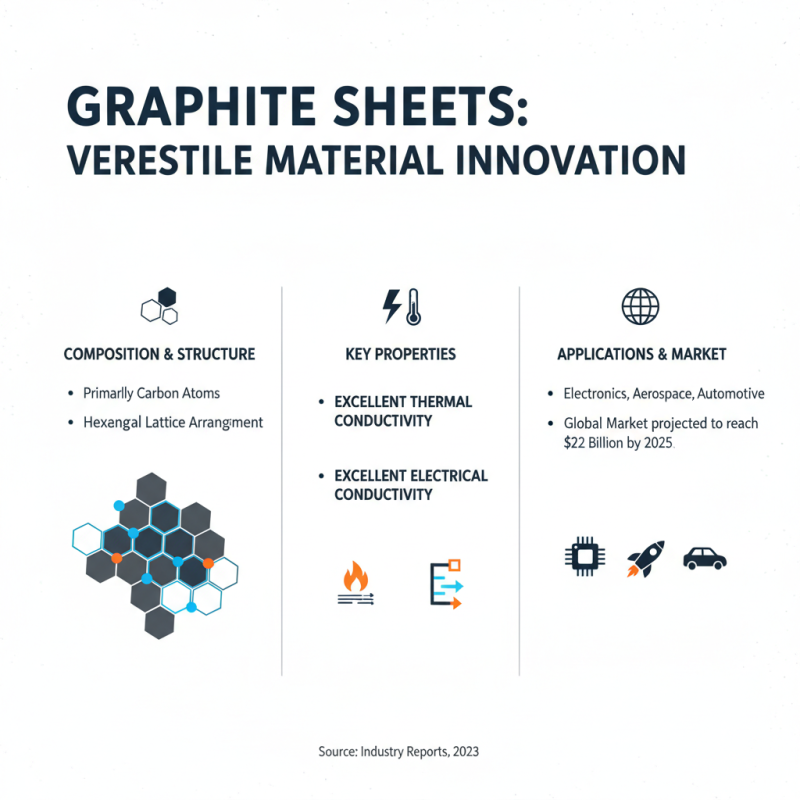
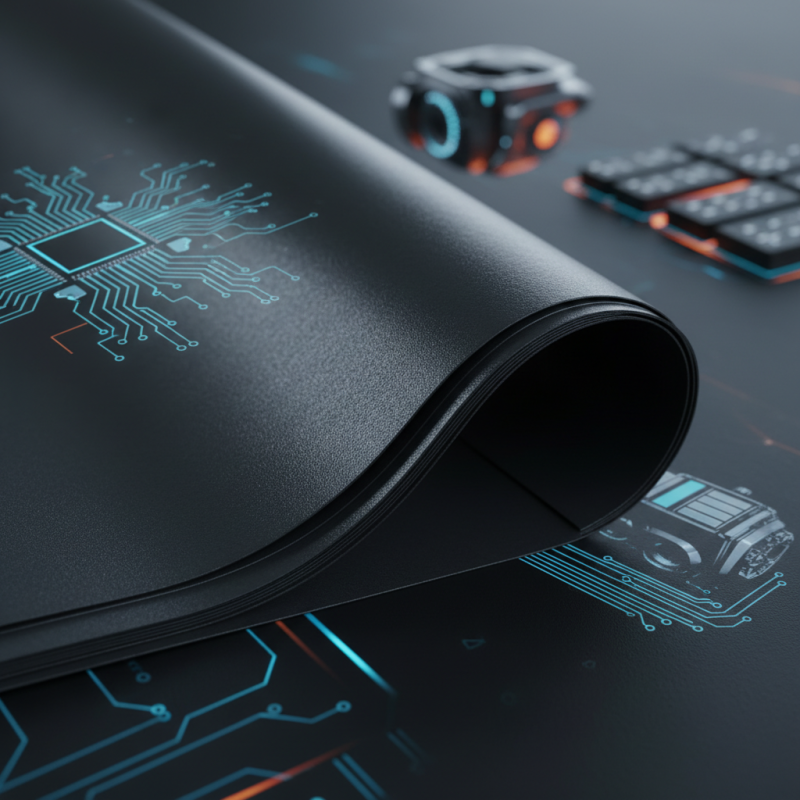
Graphite sheets are versatile materials made from graphite, known for their excellent thermal and electrical conductivity. They consist primarily of carbon atoms arranged in a hexagonal lattice. This composition gives them unique properties, making them suitable for various applications in industries like electronics, aerospace, and automotive. According to industry reports, the global graphite market is projected to reach $22 billion by 2025, highlighting the increasing demand for graphite products, including sheets.
Graphite sheets are used in thermal management solutions, acting as heat spreaders or thermal interface materials. Their ability to dissipate heat efficiently is crucial in high-performance electronics and battery applications. Additionally, these sheets can serve as electrical conductors, enhancing the functionality of devices. However, achieving the right balance of thermal and electrical properties can be challenging in the design process.
Tips: When working with graphite sheets, always consider the specific requirements of your project. Test different thicknesses to see what performs best. Remember, quality can vary across suppliers, so thorough evaluations are necessary before procurement. Taking time for these details can prevent future setbacks.
Key Properties of Graphite Sheets: Thermal Conductivity and Electrical Conductivity
Graphite sheets are fascinating materials well-known for their unique characteristics. One of the most significant properties is their thermal conductivity. They can efficiently disperse heat, making them ideal for applications needing temperature regulation. For instance, in electronic devices, graphene sheets prevent overheating, ensuring durability.
Another key feature is the electrical conductivity of graphite sheets. They allow electrons to flow freely, promoting efficient energy transfer. This property is crucial in batteries and fuel cells. Devices using graphite sheets can operate more efficiently, leading to improved performance.
**Tip:** When using graphite sheets, ensure proper insulation to prevent short circuits.
Despite these advantages, there are challenges. For example, while graphite sheets excel in conductivity, they might not be suitable in all environments. Factors like humidity can affect performance. Always evaluate the specific application before deciding.
**Tip:** Test small samples to see how they react in your environment.
Understanding these properties can help in selecting the right material for your needs. Use this insight to guide your decisions.
What is a Graphite Sheet and How is it Used? - Key Properties of Graphite Sheets
| Property |
Value |
Unit |
Description |
| Thermal Conductivity |
1500 |
W/m·K |
Ability to conduct heat efficiently. |
| Electrical Conductivity |
5000 |
S/m |
Effectiveness in conducting electricity. |
| Density |
1.8 |
g/cm³ |
Mass per unit volume of the graphite sheet. |
| Thermal Expansion Coefficient |
-5 |
µm/(m·K) |
Rate of expansion with temperature changes. |
| Maximum Operating Temperature |
3000 |
°C |
Highest temperature where graphite sheet maintains its properties. |
Applications of Graphite Sheets in Electronics: Heat Dissipation and Insulation
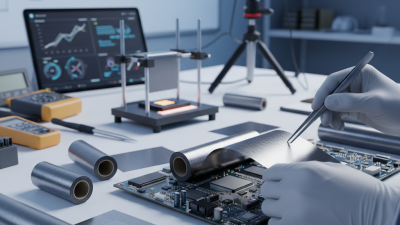
Graphite sheets are versatile materials that play a critical role in electronics, particularly in heat dissipation and insulation. They are lightweight and offer excellent thermal conductivity, making them ideal for managing heat in compact devices. This property helps maintain optimal temperatures for sensitive electronic components. As devices become smaller and more powerful, effective heat management becomes increasingly essential.
Heat dissipation is vital in preventing overheating, which can lead to device failure. Graphite sheets are thin yet efficient, allowing for a significant reduction in thermal resistance. They can be strategically placed between heat sources and sensitive parts, ensuring quick heat transfer away from critical areas. In addition, these sheets provide electrical insulation, protecting components from potential short circuits.
**Tips:** Choose the right thickness for your application. Thinner sheets are easier to integrate but may not dissipate heat as effectively. Also, always consider the surface area for optimal performance. Improperly sized sheets can lead to inefficiencies. It’s worth testing different configurations to find the best solution.
These materials add complexity to design but provide vital advantages. You might find that while graphite sheets work well, they still require consideration of placement and size to maximize effectiveness. Finding the right balance may take time, but the results can significantly enhance device reliability.
Applications of Graphite Sheets in Electronics
The Role of Graphite Sheets in Energy Storage Solutions: Batteries and Fuel Cells
Graphite sheets play a crucial role in energy storage solutions, particularly in batteries and fuel cells. These sheets are made from high-purity graphite, known for its excellent thermal and electrical conductivity. Their unique properties allow for efficient ion transport, essential for both energy storage and release. In batteries, they facilitate faster charging and discharging cycles, enhancing overall efficiency.
In fuel cells, graphite sheets serve as a conductive layer. They improve the performance by providing pathways for electron flow. This helps to optimize energy conversion from chemical energy to electrical energy. However, not all graphite sheets are created equal. Variability in structure and purity can affect performance. Some applications experience challenges with durability over time.
The potential of graphite sheets in energy solutions is significant but not limitless. Researchers continuously seek improvements. There are instances where the performance may not meet expectations. Addressing these shortcomings is vital for future advancements. The balance of cost and efficiency also remains a pressing concern. As the demand for cleaner energy solutions grows, so does the need to refine graphite sheet technology.
Market Trends and Future Outlook for Graphite Sheets in Various Industries
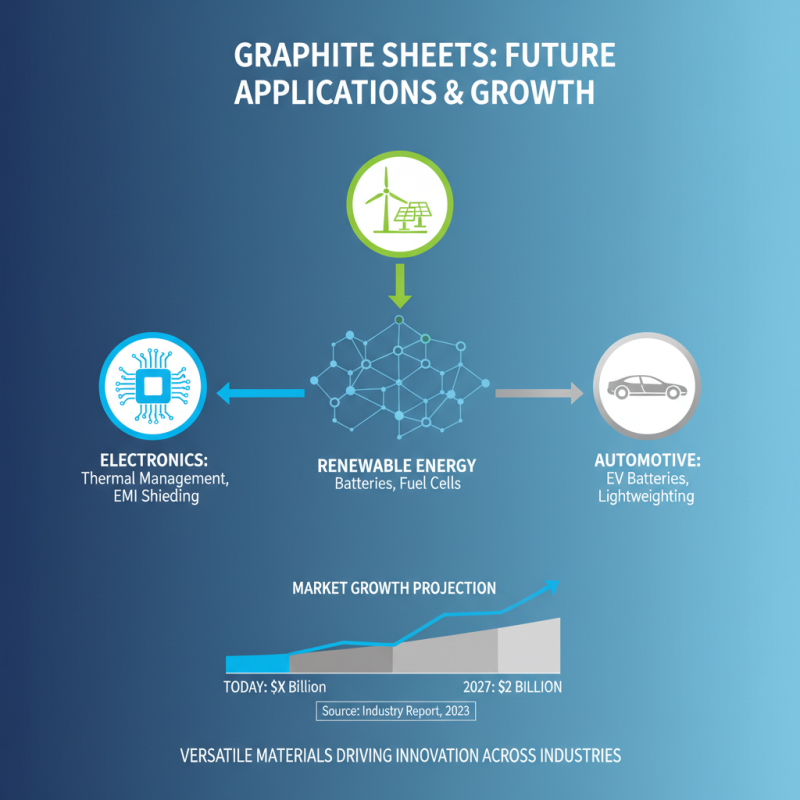
Graphite sheets are gaining traction across multiple industries. Their unique properties make them ideal for applications in electronics, renewable energy, and automotive sectors. The market for graphite sheets is projected to grow significantly in the coming years. According to a recent industry report, the global graphite sheet market is expected to reach $2 billion by 2027.
One key trend is the increasing demand for lightweight materials. In the automotive industry, manufacturers seek ways to reduce vehicle weight to enhance fuel efficiency. Graphite sheets provide an excellent solution with their low density and high thermal conductivity. They are often used in heat sinks and gaskets, demonstrating their versatility. Another important factor is the rise of electric vehicles. The need for efficient thermal management in batteries fuels the demand for graphite sheets.
Tip: Always consider the specific application when selecting materials. Not all graphite sheets are created equal. Some are better suited for high-temperature settings, while others excel in electrical conductivity.
In renewable energy, graphite sheets facilitate heat dissipation in solar panels. They help maintain optimal operating temperatures, enhancing efficiency. Nevertheless, the market still faces challenges. The environmental impact of graphite mining raises questions about sustainability. This is an area that requires further examination as industries continue to evolve.
Finding the right balance between performance and environmental responsibility is crucial. As the market expands, reflections on these impacts will shape future innovations.