Graphite Paper vs Carbon Paper Which is Better for You?
In the world of art and design, the debate of Graphite Paper Vs Carbon Paper remains pertinent. Experts like Dr. Sarah Kim, a materials scientist, highlight the nuances of these tools. She once stated, “Choosing the right transfer method can enhance creative expression.” This reveals how crucial it is for artists to understand their options.
Graphite paper allows for precise transfers with a smooth texture. It is ideal for detailed work, such as sketches or intricate designs. On the other hand, carbon paper offers a darker transfer that might be preferred for bold lines. This difference isn't just superficial; it influences how the final artwork feels and looks. For some, the choice might seem trivial, yet it can significantly affect the artistic process.
Reflecting on the practical use of each type can be enlightening. Artists may find satisfaction in experimenting with both. However, it’s essential to recognize personal preferences and the specific needs of each project. Understanding Graphite Paper Vs Carbon Paper can deepen an artist's versatility and expression. Even seasoned creators must periodically reevaluate their choices to enhance their craft.
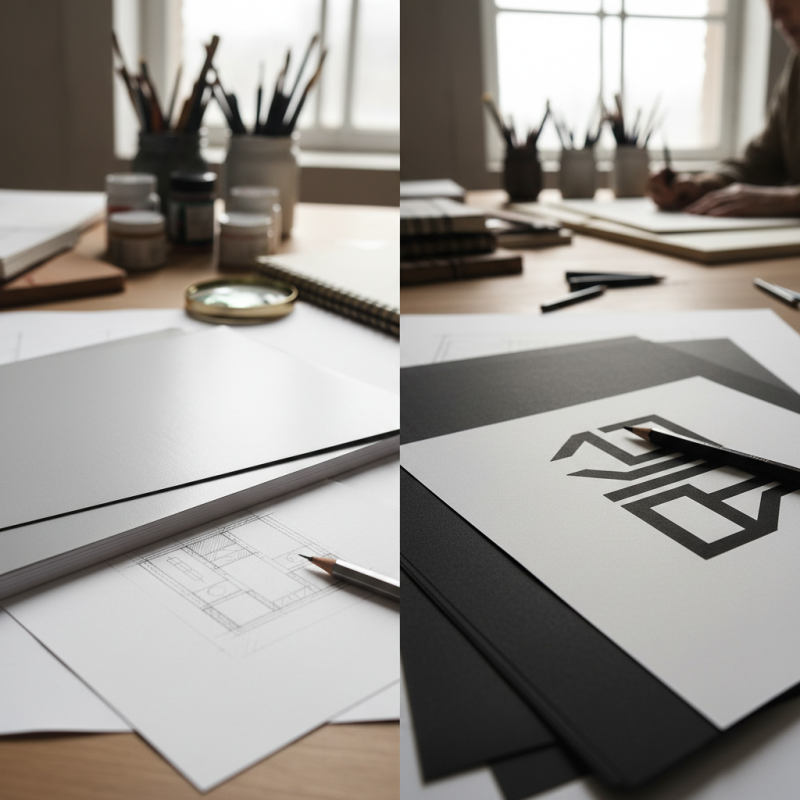
Comparison of Graphite Paper and Carbon Paper
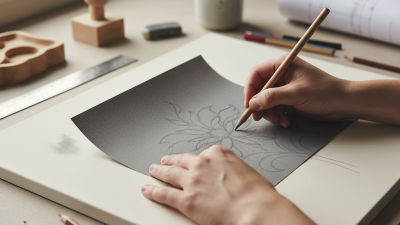
When comparing graphite paper and carbon paper, understanding their unique features is crucial. Graphite paper is primarily used for transferring images or patterns. It allows for smooth, clean markings, making it ideal for artists and designers. The graphite coating provides a precise trace, which is essential for detailed work.
Carbon paper, in contrast, is more versatile for writing and duplicating documents. It enables multiple copies of text or signatures. However, it can smudge easily, leaving behind unwanted marks. This can sometimes mess up important documents. The durability of both types differs as well. Graphite paper tends to wear down after repeated use, while carbon paper might become less effective after several runs.
Both materials have their strengths and weaknesses. Choosing one over the other depends largely on your specific needs. Reflecting on your purpose can guide you to the right choice. If fine detail is your goal, graphite paper might suit you better. For general document duplication, carbon paper could save time. Assess your projects to find the best fit.
Key Features of Graphite Paper
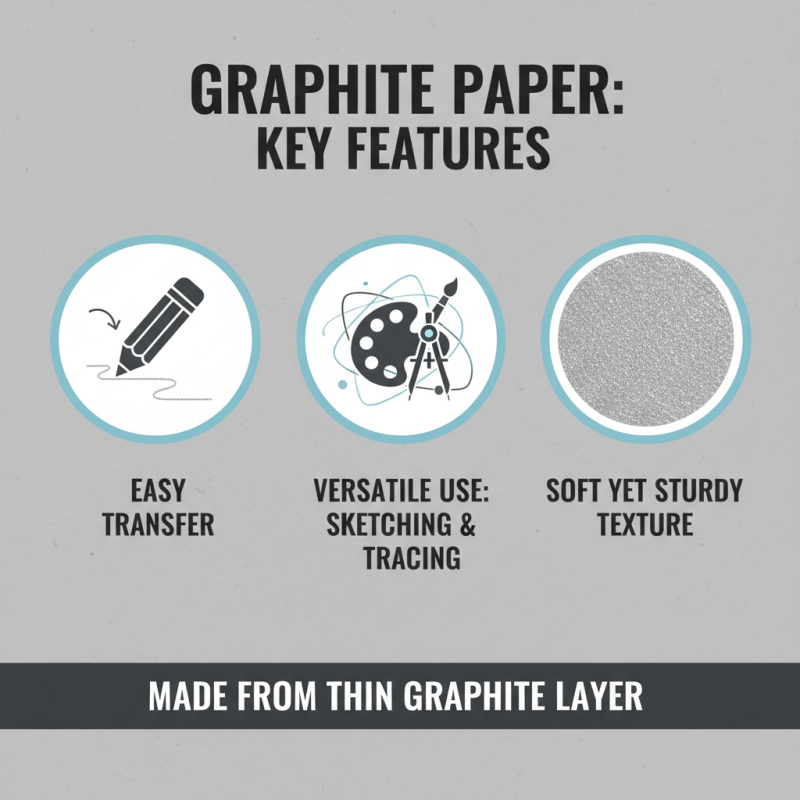
Graphite paper stands out with its unique properties. It is made from a thin layer of graphite. This layer allows for smooth transfers of images and text. Artists and students favor graphite paper for its versatility. It works well for sketches, tracing, and even crafts. The texture is soft yet sturdy, providing a great feel during use.
One notable feature of graphite paper is its opacity. Users can clearly see designs or images beneath the sheet. This quality decreases the chances of inaccuracies. It is easily removable and doesn’t leave a residue, allowing for multiple uses. However, some users may find that excessive pressure can smudge their work. It’s essential to test this material first to avoid unwanted marks.
Fading may also happen with time, especially under sunlight. Care in storage can mitigate this risk. Experimenting with various paper types can enhance the overall experience. Individual preferences play a large role in which features matter most. Overall, understanding graphite paper's nuances can lead to better artwork results.
Key Features of Carbon Paper
Carbon paper has been a staple in the world of reproduction for decades. Its primary function is to make copies of documents without needing a printer. Most carbon papers come with a thin layer of carbon or dye, allowing for clear imprints. According to a report by the Paper Conservators Association, nearly 60% of artists prefer using carbon paper for sketches due to its precise transfer of details.
Though carbon paper has many advantages, it’s not without flaws. It can smudge easily, especially on high-gloss paper. This can lead to messy results, which can be frustrating during important projects. A survey by the Art Materials Industry shows that around 40% of users experience difficulties with fading over time. It’s crucial to store carbon copies properly if you want them to last.
Moreover, the environmental impact of carbon paper is often overlooked. The production process can generate significant waste. While it's true that carbon paper is reusable, it’s still a single-use product in many cases. Awareness of eco-friendly alternatives is growing. Many producers are now developing non-toxic and recyclable options. This shift reflects a broader trend towards sustainability in the stationery industry, which is vital for reducing ecological footprints.
Applications of Graphite Paper
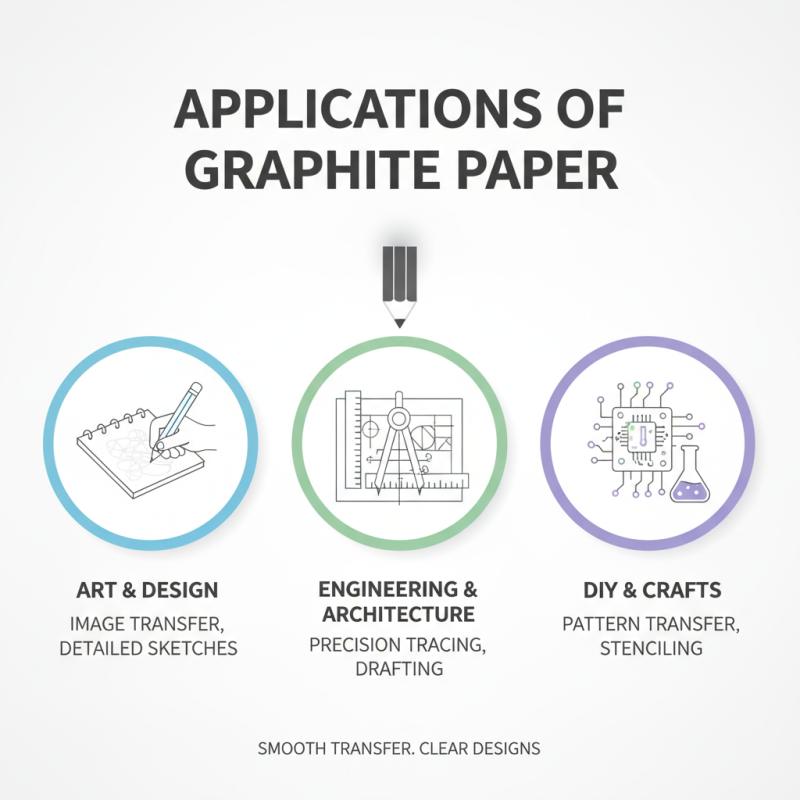
Graphite paper is used in various applications due to its unique properties. It provides a smooth surface for transferring images and texts. This makes it a valuable tool for artists and designers. Many high-quality sketches benefit from its ability to create clear, intricate designs.
In the realm of crafting, graphite paper is often favored for tracing patterns. It allows crafters to achieve precise outlines, ensuring that projects turn out as envisioned. This method is particularly useful in quilting and woodwork. For educators, it can simplify lesson plans, helping students replicate shapes easily.
However, it’s important to consider the limitations. Graphite paper may not be ideal for all projects. It can smudge, causing unwanted marks. Some users find it difficult to see on darker surfaces. Therefore, it’s essential to evaluate your specific needs before choosing graphite paper for your work.
Applications of Carbon Paper
Carbon paper has been a staple in many offices and homes for decades. It primarily serves to create copies of written documents. The process is simple: place carbon paper between two sheets of plain paper. When you write on the top sheet, the pressure transfers ink to the bottom sheet. This method is straightforward, making it easy for anyone to use.
Applications of carbon paper extend beyond simple duplication. Artists often employ it for sketching and transferring designs. It allows them to recreate intricate details without losing precision. In educational settings, teachers might use it for handouts or tests. Carbon copies can help maintain records of important notes. However, carbon paper can wear out quickly. Repeated use may yield fainter results, which requires reflection on sustainability. The environmental impact of disposal is often overlooked. While it serves specific purposes, one must weigh its longevity and environmental footprint against the convenience it provides.
Despite its usefulness, carbon paper has limitations. Users may find it cumbersome to align the sheets perfectly. Sometimes, the transfer might smudge, leading to unclear copies. This leads to frustration, especially when accuracy is crucial. Exploring alternatives, such as digital copying methods, could alleviate some of these issues while promoting a more sustainable approach.
Graphite Paper vs Carbon Paper: Which is Better for You?
| Feature |
Graphite Paper |
Carbon Paper |
| Primary Use |
Tracing and transferring designs |
Making duplicates of handwritten documents |
| Surface Finish |
Smooth, allowing for easy slide of pencil |
Textured, can smudge easily |
| Color of Transfer |
Gray or black, depending on pencil used |
Blue or black ink |
| Durability |
Less prone to tearing when used |
Can tear easily if too much pressure is applied |
| Preferred by Artists |
Yes, for sketching and outlining |
No, primarily used in office settings |
| Environmental Impact |
More eco-friendly options available |
Less eco-friendly, often contains chemicals |
Conclusion
In the debate of Graphite Paper vs Carbon Paper, both materials serve distinct purposes and offer unique features. Graphite paper is known for its ability to transfer fine details and create clean, precise lines, making it ideal for art and drafting applications. On the other hand, carbon paper provides a more traditional method for duplicating documents, with a focus on durability and ease of use, particularly in administrative and business settings.
When choosing between Graphite Paper and Carbon Paper, consider the specific applications you have in mind. Graphite paper excels in artistic endeavors and detailed tracings, while carbon paper is suited for bulk copying and note-taking. Ultimately, understanding the key features and intended uses of each can help you determine which option is better for your needs.