What is Graphite Natural and Why is it Important for Buyers?
Graphite Natural is a vital component in various industries, particularly in battery technology and lubricants. The global market for graphite is expected to exceed $25 billion by 2025, according to a report by Grand View Research. Its unique properties, including conductivity and thermal stability, make it essential for electric vehicle production. Industry expert Dr. Emily Chen states, "Natural graphite is the backbone of green technology advancements."
This importance highlights the need for buyers to understand supply chain dynamics and sourcing. Despite its significance, many buyers overlook the complexities involved in securing high-quality Graphite Natural. A lack of awareness can lead to poor purchasing decisions and potential quality issues.
As the demand for sustainable products rises, the pressure on Graphite Natural sourcing intensifies. Reliability in procurement becomes crucial. Buyers should reflect on their current suppliers and the quality assurance mechanisms in place. Prioritizing transparency and ethical sourcing can enhance their overall supply chain resilience. The ongoing dialogue around Graphite Natural suggests that many industry players still have much to learn.
Understanding Natural Graphite: Definition and Characteristics
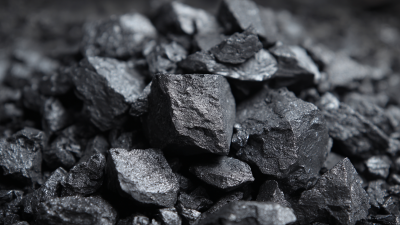
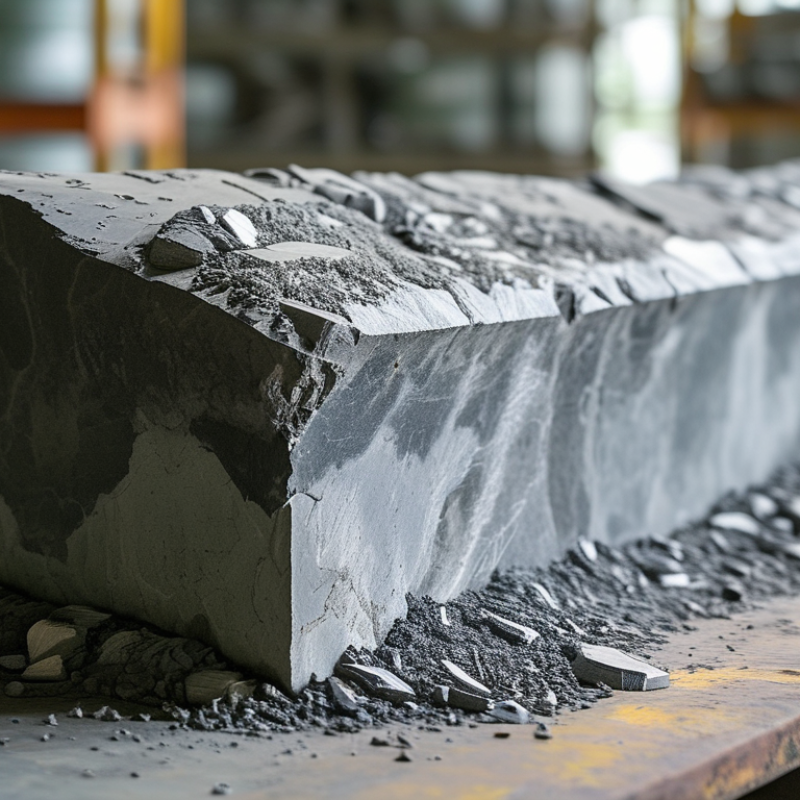
Natural graphite is a form of carbon that occurs in nature. It has a layered structure, which gives it unique physical properties. This material is stable, conductive, and has high thermal properties. Natural graphite is commonly used in batteries, lubricants, and manufacturing processes. According to a report from Research and Markets, the global natural graphite market is projected to reach over $4 billion by 2028.
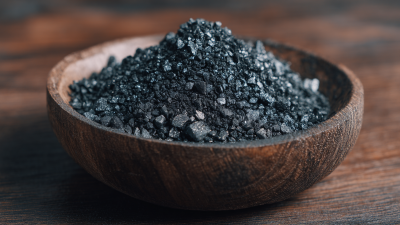
Understanding the characteristics of natural graphite is crucial for buyers. It is essential to consider its purity levels, which typically range from 80% to 99%. Higher purity graphite offers better performance, especially in technology applications. The flake size also plays a critical role; larger flakes are often more valuable. It’s vital for buyers to assess the source of graphite to ensure quality and reliability.
Tip: Always check the certifications of your graphite supplier. This can provide insight into their production methods and adherence to industry standards.
It’s also important to remember that the supply of natural graphite is not uniform globally. Some regions have higher-quality deposits than others, impacting price and availability. This variability requires careful market research and possibly strategic partnerships for consistent supply. Make informed decisions based on comprehensive data analysis to minimize risks.
Graphite Natural Demand by Application (2023)
Natural graphite is an essential component in various industries. This chart visualizes the demand for natural graphite across different applications in metric tons, indicating its significance in sectors such as battery production, lubricants, and steelmaking.
The Different Types of Natural Graphite and Their Applications
Natural graphite is categorized into three primary types: flake, amorphous, and lump. Each type features unique properties that dictate its suitability for various applications. According to a report by the US Geological Survey, flake graphite, known for its high conductivity and thermal stability, is primarily used in battery production and lubricants. This type has significant demand due to the rise of electric vehicles, which is projected to grow at a compound annual growth rate (CAGR) of over 20% by 2027.
Amorphous graphite, while less conductive, is more abundant and cost-effective. It finds its applications primarily in brake linings and lubricants. The global market for amorphous graphite reached approximately $1.5 billion in 2022 and is expected to expand steadily. However, users should be cautious. The quality can vary significantly based on the source. This variability can impact performance in applications like energy storage and aerospace.
Lump graphite, the least common, offers unique features. Its high density and thermal properties make it valuable for specialized applications, including advanced refractories and batteries. Though it has a smaller market segment, its value to specific sectors is crucial. Buyers must remain vigilant about sourcing and quality verification. Ensuring material integrity remains a pressing concern amidst fluctuating markets.
Importance of Natural Graphite in Various Industries
Natural graphite plays a crucial role in several industries, particularly in
batteries,
lubricants, and
steel production.
According to a report by the U.S. Geological Survey, global natural graphite production
was approximately 1.3 million metric tons
in 2022, with a rising demand expected. The battery sector, especially electric vehicles,
is projected to consume over 40% of this
graphite by 2025. This shift highlights the material's significance in advancing green
technology solutions.
In the lubricants and coatings industries, natural graphite serves as a key ingredient
for enhancing performance. It provides superior thermal conductivity and lowers friction
levels in mechanical systems. Analysts predict that the lubricants market will expand
at a CAGR of around 4.5% from 2023 to 2030,
driven partly by the demand for high-performance materials like natural graphite.
Thus, buyers must consider this aspect when sourcing graphite for their applications.
Tip: When purchasing natural graphite, buyers
should focus on quality and
purity levels. High-quality graphite
can significantly impact the efficacy and lifespan of end products. Moreover, understanding
the source of graphite helps ensure sustainability in their supply chain. Buyers should
also keep an eye on market trends and reports to make informed decisions and adapt to
shifting demands.
Key Factors Buyers Should Consider When Purchasing Natural Graphite
When considering the purchase of natural graphite, buyers must evaluate several key factors that influence quality and performance. The purity of graphite is paramount. High-purity graphite typically exceeds 95%, making it suitable for various applications, including batteries and lubricants. According to industry reports, the demand for high-grade natural graphite is projected to grow by approximately 20% annually. Buyers should also consider the source of graphite. Geographical location impacts not only quality but also sustainability practices.
Another critical factor is particle size. Smaller particles offer better conductivity and are ideal for electric vehicle batteries. However, finer graphite can be more expensive. Recognizing the balance between cost and functionality is essential. Additionally, buyers should be aware of the environmental practices of suppliers. Sustainable mining practices are gaining traction due to growing environmental regulations and consumer preferences. Reports indicate that graphite sourced from responsibly managed operations often commands a premium price.
Lastly, logistical aspects play a significant role in purchasing decisions. Transportation costs and delivery times can significantly affect overall expenses. Buyers should investigate whether suppliers have reliable shipping methods to mitigate potential delays. This comprehensive approach helps buyers ensure they are making informed decisions while navigating the complexities of natural graphite procurement.
What is Graphite Natural and Why is it Important for Buyers? - Key Factors Buyers Should Consider When Purchasing Natural Graphite
| Property |
Description |
Importance for Buyers |
| Purity Level |
Percentage of carbon content in graphite. |
Higher purity means better performance in applications. |
| Flake Size |
Size of individual graphite flakes in microns. |
Larger flakes can lead to higher value and better conductivity. |
| Source |
Geological conditions and origin of graphite deposits. |
Sourcing responsibly can impact supply chain sustainability. |
| Processing Method |
Techniques used to purify and process graphite. |
Different methods affect cost and quality of end products. |
| Applications |
Range of uses including batteries, lubricants, and electronics. |
Understanding applications helps in selecting the right type. |
| Cost |
Market price per ton of natural graphite. |
Budget considerations affect purchasing decisions. |
Environmental and Economic Implications of Natural Graphite Sourcing
Natural graphite is a vital resource, particularly in the modern economy. Its sourcing brings both environmental and economic implications. As demand for this mineral grows, the mining practices used to obtain it are under scrutiny. Many mines impact local ecosystems, leading to habitat destruction and pollution. The extraction methods can be heavy on water and energy use.
Buyers need to be aware of these effects. Sustainable sourcing is not merely a trend; it is increasingly a demand from consumers. Companies committed to sustainability may pay more but can gain a loyal customer base. The economic implications of sourcing natural graphite extend beyond immediate costs. Investing in responsible practices can lead to long-term benefits, such as securing a stable supply chain and enhancing brand reputation.
However, not all industries are ready to embrace these changes. There are challenges, such as higher initial costs and the need for extensive research into supply methods. Buyers must navigate this complex landscape. Decisions should align with both ethical considerations and market demands. Natural graphite sourcing requires a careful balance between profit and environmental responsibility.