Why Choose Flexible Graphite Packing for Your Industrial Needs?
In the competitive landscape of industrial packing solutions, Flexible Graphite Packing stands out. According to a recent market analysis by Grand View Research, the global sealing materials market is projected to reach $18.8 billion by 2025. This reflects a 4.5% annual growth rate, emphasizing a strong demand for robust materials like Flexible Graphite Packing.
Flexible Graphite Packing offers exceptional thermal and chemical resistance, making it suitable for extreme environments. Its adaptability allows for enhanced performance in various industries, including oil and gas, pharmaceuticals, and petrochemicals. In fact, reports indicate that graphite sealing solutions reduce leakage by as much as 70%, a critical factor for operational efficiency and safety.
Despite its advantages, some users express concerns about installation complexity. Proper training and knowledge are essential for maximizing the benefits of Flexible Graphite Packing. Companies may need to address these challenges proactively. Continuous improvement in handling and installation can yield significant long-term savings and reliability in operations.
Understanding Flexible Graphite Packing in Industrial Applications
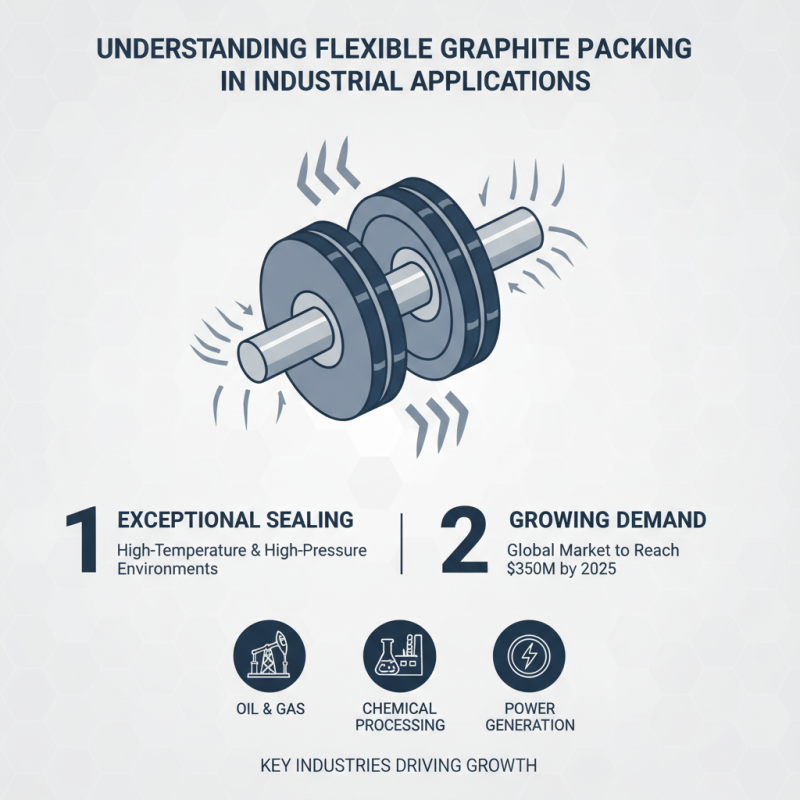
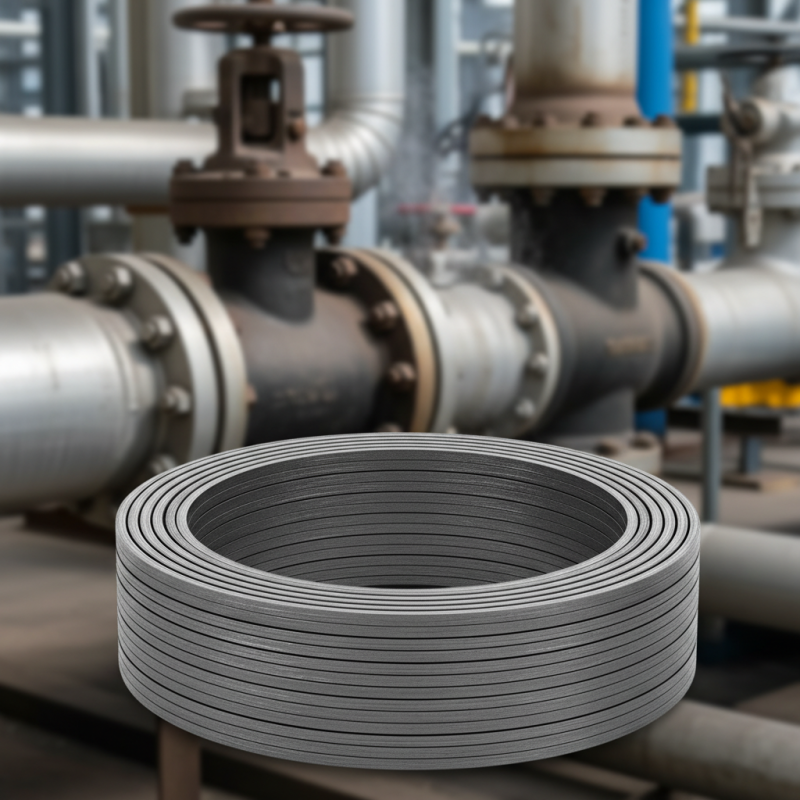
Flexible graphite packing is increasingly popular in various industrial applications. Its unique properties provide exceptional sealing performance in high-temperature and high-pressure environments. According to a report by the Global Graphite Packing Market, the demand for flexible graphite materials is projected to grow significantly, reaching USD 350 million by 2025. This growth is driven by expanding industries such as oil and gas, chemical processing, and power generation.
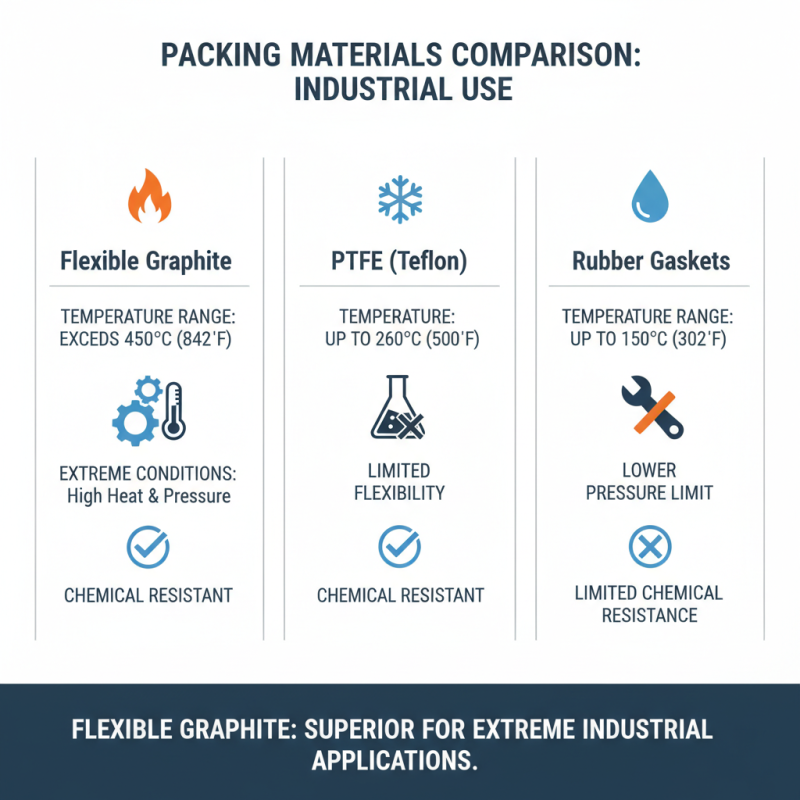
One critical advantage of flexible graphite packing is its temperature resistance. It can withstand temperatures up to 450°C, ensuring reliability in extreme conditions. This characteristic is particularly vital in industries where sealing failures can lead to costly downtime or hazardous spills. The inherent chemical resistance of graphite adds to its versatility, making it suitable for handling a wide range of fluids, from corrosive chemicals to steam.
However, it's essential to acknowledge the challenges in implementing flexible graphite packing. While it offers excellent sealing capabilities, improper installation can lead to inefficiencies. Regular maintenance and monitoring are necessary to ensure optimal performance. Users must also consider the compatibility of the packing with their specific applications, as not all types may perform equally well across different environments. This awareness helps mitigate potential issues and enhances the overall effectiveness of flexible graphite packing in industrial settings.
Key Benefits of Using Flexible Graphite Packing
Flexible graphite packing offers notable advantages for various industrial applications. Its exceptional thermal and chemical resistance makes it a choice for demanding environments. According to a recent industry report, companies utilizing flexible graphite packing have reported a reduction in maintenance costs by up to 30%. This striking efficiency boosts productivity and minimizes downtime significantly.
The ability to withstand extreme temperatures, ranging from -240°C to 450°C, makes flexible graphite packing suitable for diverse industries. It excels in sealing applications in the oil and gas sector, where reliability is paramount. The American Petroleum Institute states that improper sealing can lead to losses exceeding $1 million annually. So, flexible graphite packing contributes not only to safety but also to financial stability.
Moreover, its adaptability against various corrosive agents positions it as a reliable choice. Many users note its ease of installation and reliability, yet some report initial difficulties in achieving the right compression. This aspect reveals room for improvement. Enhancing user training could bridge the gap in application efficiency and further affirm the benefits of flexible graphite packing across multiple sectors.
Comparison with Other Packing Materials
When evaluating packing materials for industrial uses, flexible graphite packing stands out for its unique properties. Unlike PTFE or rubber gaskets, flexible graphite offers a higher temperature range, often exceeding 450°C. This characteristic makes it suitable for extreme conditions.
In terms of efficiency, flexible graphite shows superior sealing capabilities, reducing leakage in pumps and valves by up to 80%. This margin highlights its reliability over other materials like aramid and metal packings, which tend to degrade faster under high pressure. Moreover, its resistance to chemical attack contributes to its longer lifespan. According to industry reports, facilities using flexible graphite packing can expect a 30% reduction in maintenance costs over time, emphasizing its value.
However, the installation process is not without challenges. Flexible graphite can be difficult to cut and handle, requiring trained personnel. Adopting this material may necessitate adjustments in existing systems, which could lead to downtime. Companies might weigh these potential drawbacks against the evident long-term savings and performance benefits. Balancing these aspects is vital for making an informed decision in the choice of packing materials.
Installation and Maintenance Considerations
When considering flexible graphite packing for industrial applications, installation and maintenance are crucial aspects. Proper installation ensures optimal sealing performance and enhances the service life of the packing. Research indicates that improper installation can reduce packing life by up to 50%. It’s vital to follow best practices for compression and alignment to prevent leakage and equipment damage.
Regular maintenance of flexible graphite packing is equally important. A study from the Fluid Sealing Association noted that consistent monitoring can extend the lifespan of packing materials. Inspecting for signs of wear or compression loss every quarter can preempt costly downtime. Furthermore, adjusting the packing as it settles can maintain an effective seal and prevent operational issues.
While flexible graphite packing exhibits resilience, it still requires attention. Users should be aware of the limitations of graphite packing under extreme temperatures and pressures. Continuous education on installation techniques and maintenance routines can significantly impact performance. Regular training sessions for maintenance staff can foster a deeper understanding of optimal practices.
Flexible Graphite Packing Performance Comparison
Common Industries and Applications for Flexible Graphite Packing
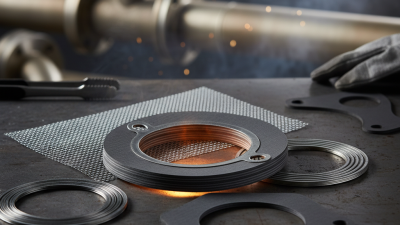
Flexible graphite packing is widely used across various industries due to its unique properties. It excels in high-temperature environments where conventional packing fails. This material is resilient, providing excellent sealing capabilities while resisting wear and corrosion. Many industries benefit greatly from its flexibility and durability.
In the chemical processing sector, flexible graphite packing is crucial. It prevents leaks, protecting both the product and the environment. Additionally, this packing is favored in the power generation sector. Turbines and pumps rely on it for optimal performance. In the oil and gas industry, safety is paramount. Flexible graphite packing ensures secure seal integrity, safeguarding against hazardous leaks.
These applications showcase the versatility of flexible graphite packing. However, choosing the right type can be challenging. Understanding specific needs is vital. This requires expert guidance and careful consideration. Engineers must evaluate environmental conditions and the substances involved. The variety of options available is both a blessing and a curse, leading to potential mistakes if not approached thoughtfully.
Why Choose Flexible Graphite Packing for Your Industrial Needs? - Common Industries and Applications for Flexible Graphite Packing
| Industry |
Application |
Benefits of Flexible Graphite Packing |
| Oil & Gas |
Sealing of valves and pumps |
High thermal resistance and chemical stability |
| Chemical Processing |
Pipe and equipment sealing |
Excellent resistance to corrosive substances |
| Power Generation |
Sealing for turbines and generators |
High compressibility and recovery |
| Pharmaceutical |
Sealing of reactors and chromatographs |
Non-toxic and compliant with standards |
| Food and Beverage |
Sealing of processing equipment |
Food-grade compliance and durability |