10 Essential Tips for Using Carbon Graphite Foil Effectively
Carbon Graphite Foil is a versatile material widely used in various industries. Its unique properties, such as excellent thermal conductivity and chemical resistance, make it ideal for demanding applications. However, using it effectively requires a comprehensive understanding of its characteristics. This article provides essential tips that can help users maximize the benefits of Carbon Graphite Foil.
While many users might rely on general guidelines, individual projects often need specific adjustments. Factors like thickness, application method, and environmental conditions can greatly impact performance. It’s important to consider these variables when working with Carbon Graphite Foil. By paying attention to these details, users can enhance not only efficiency but also durability.
Proper handling and storage of Carbon Graphite Foil are crucial as well. Exposure to moisture or contamination can lead to suboptimal results. Regular reflection on usage methods can improve outcomes and minimize waste. Ultimately, understanding the complexities of Carbon Graphite Foil empowers users to achieve superior results in their projects.
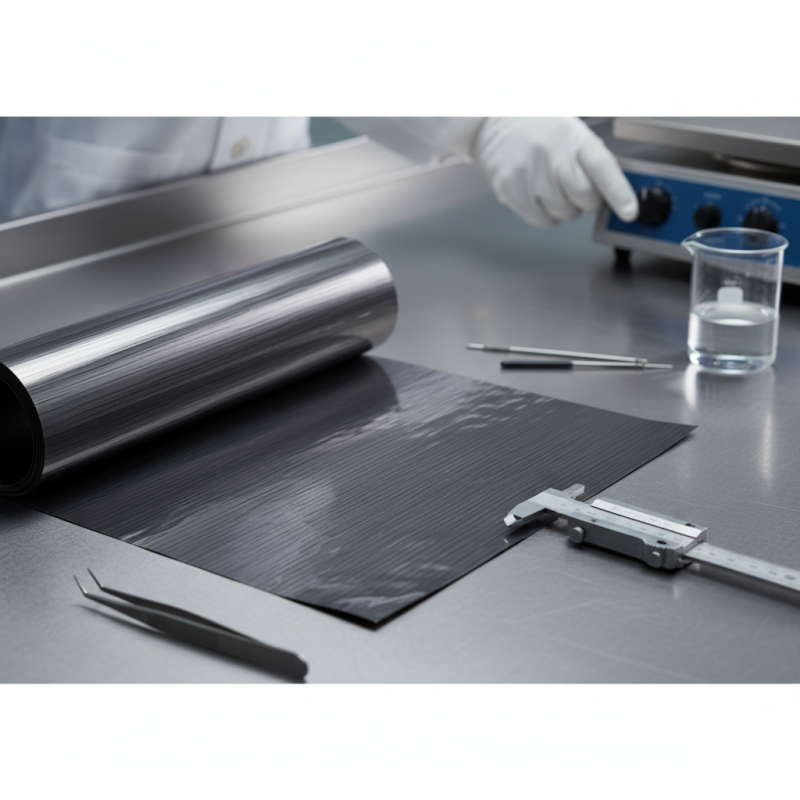
Understanding Carbon Graphite Foil and Its Properties
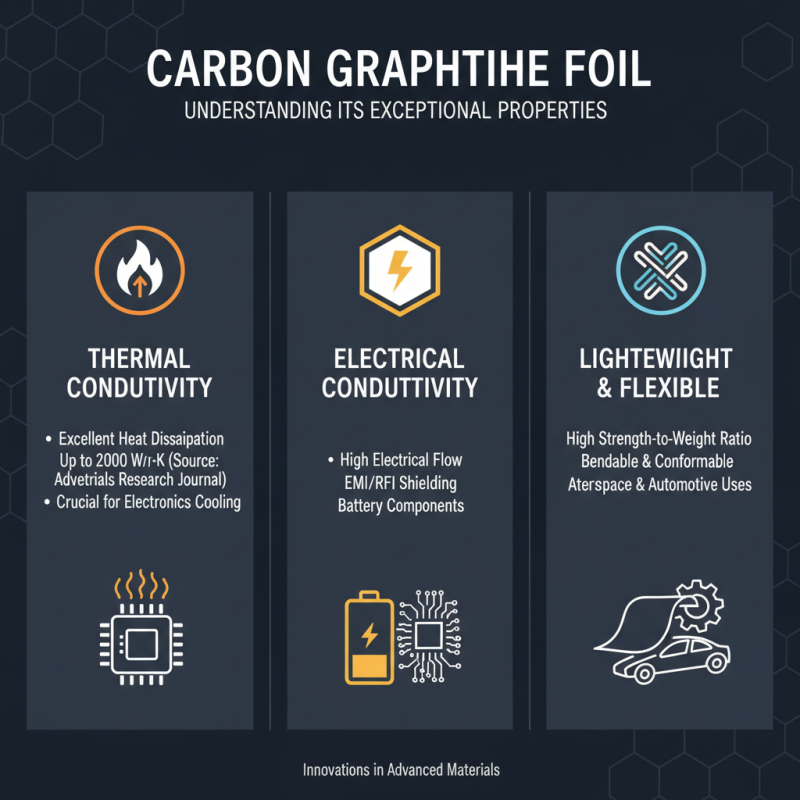
Carbon graphite foil is a fascinating material known for its unique properties. It boasts excellent thermal conductivity, making it ideal for applications requiring efficient heat dissipation. According to a report by the Advanced Materials Research Journal, carbon graphite can conduct heat up to 2000 W/m·K. This exceptional property is vital in industries like electronics, where overheating can lead to device failure.
Additionally, carbon graphite foil features remarkable chemical resistance. It can withstand harsh environments without degrading. This durability makes it suitable for use in chemical processing industries. A study from the Journal of Materials Science highlighted that carbon graphite foil retains its integrity even under exposure to aggressive solvents. However, users must be cautious about its brittleness. While it's strong under compressive forces, it can fracture under tensile stress. Recognizing these nuances is key to optimizing its use.
Furthermore, the light weight of carbon graphite foil contributes significantly to its versatility. It can maintain structural integrity while adding minimal weight to applications. But this benefit comes with challenges in handling. Improper handling may lead to tears or defects, ultimately affecting performance. It’s essential for engineers and designers to understand these qualities. They play a critical role in effective deployment in various sectors.
Choosing the Right Thickness and Size for Your Application
When selecting carbon graphite foil, thickness and size are crucial for performance. An industry report indicates that using foil ranging from 0.1 mm to 0.5 mm in thickness offers enhanced thermal conductivity. Applications in electric vehicles require precise thickness to maximize efficiency. However, many users underestimate the impact that foil size can have on outcomes.
The right size improves fit and reduces waste. Research shows that miscalculating dimensions can lead to a 20% increase in material costs. It's essential to measure the application space accurately. A common mistake is neglecting variations in application needs, which can compromise functionality.
Consulting technical data sheets helps ensure the correct choice. They provide insights into optimal thickness and size for specific needs. Yet, precision is not always guaranteed. Regular testing and feedback loops can highlight the need for adjustments. This approach fosters improvement and helps avoid pitfalls related to improper application.
10 Essential Tips for Using Carbon Graphite Foil Effectively - Choosing the Right Thickness and Size for Your Application
| Application |
Recommended Thickness (mm) |
Common Sizes (mm) |
Key Considerations |
| Electrical Conductors |
0.1 - 0.3 |
100x100, 200x200 |
High conductivity, flexibility required |
| Thermal Management |
0.5 - 1.0 |
150x150, 300x300 |
Heat dissipation efficiency, thickness control |
| Sealing Applications |
0.3 - 0.6 |
200x100, 250x250 |
Compression resistance, durability needed |
| Gaskets |
0.4 - 0.8 |
250x150, 100x100 |
Chemical resistance, precise cut |
| Biomedical Applications |
0.1 - 0.5 |
50x50, 100x100 |
Biocompatibility, tailored dimensions |
Best Practices for Cutting and Shaping Carbon Graphite Foil
Cutting and shaping carbon graphite foil requires precision and care. To achieve optimal results, employ sharp cutting tools. Dull blades can lead to frayed edges and affect the performance of the foil. Reports suggest that using high-quality cutting tools can reduce material wastage by up to 20%. It’s essential to create a clean workspace to minimize contaminants that can interfere with the cutting process.
Measuring accurately is just as crucial. A miscalculation can lead to excess material use, increasing costs. Many professionals recommend using a digital caliper for precise measurements. According to industry standards, ensuring a tolerance of ±0.01 mm can lead to better fitting parts. It’s vital to practice before working with the final material. Mistakes in cutting can be costly and time-consuming. You may need to rethink your cutting strategy if the result does not meet expectations.
When shaping the foil, consider using specialized tools designed for graphite materials. Regular hand tools may not provide the necessary finesse. Some reports indicate that improper shaping can diminish the conductivity of the foil by nearly 15%. Taking time to refine your technique can yield long-term benefits. Being open to learning from imperfections can ultimately enhance your skill set.
Techniques for Properly Bonding Carbon Graphite Foil to Surfaces
When bonding carbon graphite foil to surfaces, preparation is key. Start by cleaning the surface thoroughly. Any residue or dust can hinder adhesion. Use a solvent to wipe down the area. After cleaning, ensure the surface is completely dry. This reduces the likelihood of contaminants affecting the bond.
Next, consider the application method. You may apply an adhesive directly onto the foil or the surface. It’s important to apply an even layer for a consistent bond. Some users overlook this step and face peeling issues later. Use a roller or brush for precision. Press firmly to eliminate any air bubbles. Bubbles can create weak points in the bond.
After application, allow adequate curing time before placing stress on the bond. Rushing this process often leads to failure. Monitor temperature and environmental conditions, as extreme changes can affect adhesion. Reflect on past projects; learning from mistakes is essential. Each surface may react differently. Adjust techniques based on your observations for improved results.
Effectiveness of Carbon Graphite Foil Bonding Techniques
Maintaining and Storing Carbon Graphite Foil for Longevity
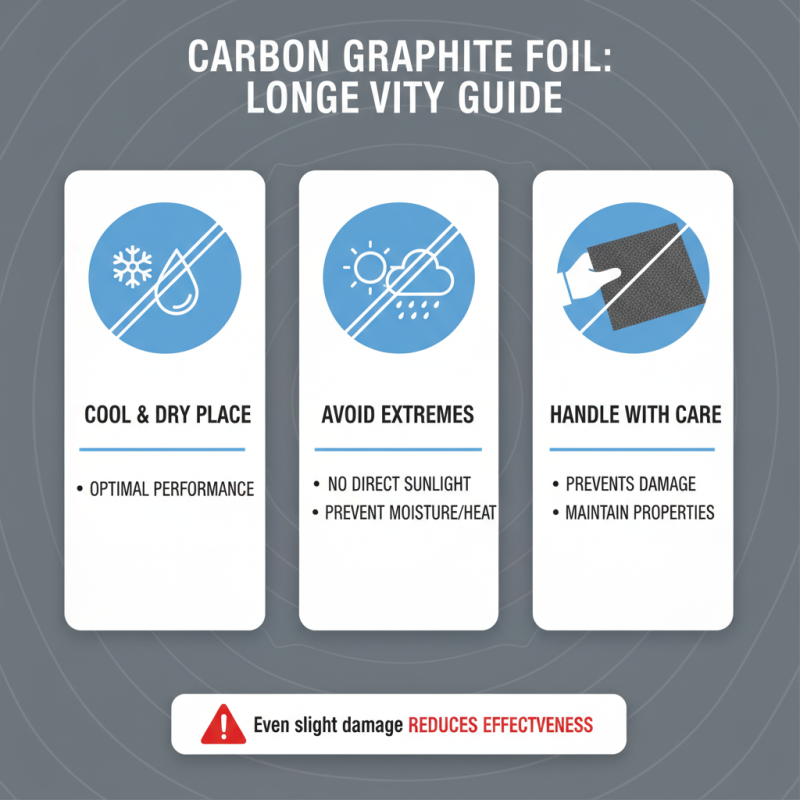
Maintaining and storing carbon graphite foil properly is crucial for its longevity. To ensure optimal performance, keep the foil in a cool and dry place. Avoid exposure to direct sunlight and moisture. Excessive heat and humidity can degrade the material, leading to reduced effectiveness. Even slight damage can compromise its properties, so handle with care.
When it comes to storage, choose a rigid container. This prevents bending or creasing, which can impact the material's integrity. Avoid stacking heavy items on top of the foil to prevent unnecessary stress. Be mindful of dust accumulation; it may affect the foil’s performance. Regular inspection is necessary, even if you store it away for long periods.
It’s also wise to document the usage history of your carbon graphite foil. Track how often you use the material and assess any signs of wear. Reflect on your storage conditions from time to time. This practice can reveal insights into how environment affects longevity. Small actions make a difference. Are you doing enough to protect your investment?