How to Choose the Right Thermal Graphite Sheet for Your Needs?
Choosing the right thermal graphite sheet is crucial for efficient heat management in various applications. According to Dr. Emily Carter, a leading expert in thermal materials, "The right thermal graphite sheet can significantly enhance device performance." This insight underscores the importance of understanding your specific needs when selecting a thermal graphite sheet.
Consider the application requirements. Not all thermal graphite sheets are created equal. Factors like thermal conductivity, thickness, and adhesive properties play vital roles. A mismatch can lead to inefficiencies and increased costs. For instance, high thermal conductivity is essential for high-performance electronics, while a thicker sheet may be necessary for larger components.
User experience often reflects the complexities of making the right choice. Many find the vast array of options overwhelming. Performance issues can arise from not evaluating all specifications. It’s crucial to reflect on how each sheet meets your thermal management goals. Selecting a thermal graphite sheet is not just a technical decision; it’s about ensuring reliability and efficiency in your projects.
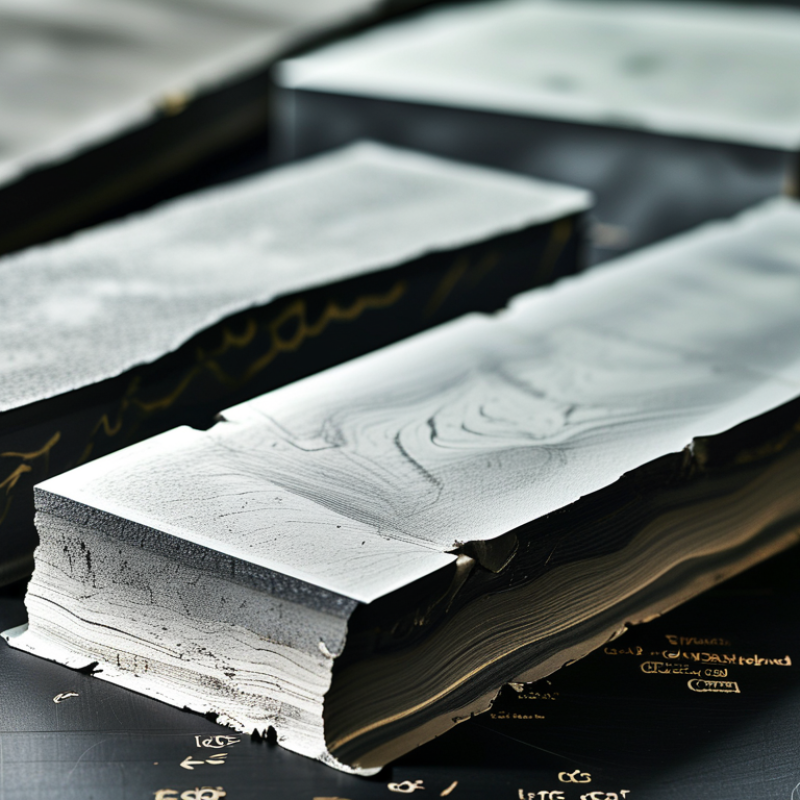
Understanding Thermal Graphite Sheets and Their Applications
Thermal graphite sheets are key in heat management across various industries. They provide superior thermal conductivity and are lightweight. These properties make them ideal for applications in electronics, automotive, and even renewable energy sectors. In electronics, thermal graphite sheets manage heat from components, ensuring efficiency and longevity.
Understanding the specific needs of your application is crucial. Not all thermal graphite sheets are created equal. Variations in thickness, thermal conductivity, and size can impact performance. Thin sheets might work well for compact spaces, while thicker sheets can dissipate heat more effectively. Evaluating your requirements attentively can prevent costly mistakes.
Reflect on the conditions in which these sheets will operate. High temperatures may require specialized materials. Selecting a sheet without considering these elements can lead to inefficiency. Experience shows that testing different options can yield surprising insights. It highlights the importance of making informed decisions rather than relying on assumptions.
How to Choose the Right Thermal Graphite Sheet for Your Needs?
| Property |
Value |
| Thermal Conductivity |
1000 - 2000 W/mK |
| Thickness Options |
0.5 mm - 5.0 mm |
| Density |
1.0 - 2.0 g/cm³ |
| Operating Temperature Range |
-40°C to 300°C |
| Electrical Conductivity |
Conductive |
| Applications |
Electronics, Heat Management, LED, Battery, and Thermal Interface Materials |
Key Factors to Consider When Selecting Thermal Graphite Sheets
When selecting thermal graphite sheets, it's crucial to consider thermal conductivity. This property greatly affects performance. High-quality sheets typically have thermal conductivities ranging from 300 to 2000 W/m·K. A reliable report suggested that sheets exceeding 1000 W/m·K are ideal for high-power applications.
Another factor is thickness. Thicker sheets often provide better insulation. However, they can alter the thermal management system's design. Industry analysts argue that optimal thickness is often around 0.5 mm to 1.5 mm for most electronic devices. Measuring the space available is essential.
Finally, the purity of the graphite material matters. Higher purity levels enhance heat conduction efficiency. Reports indicate that sheets with 99% purity deliver superior thermal performance. Users should also assess the mechanical properties, as flexibility adds to usability in constrained environments. Selecting the right sheet can lead to better thermal management and device longevity.
Comparing Different Types of Thermal Graphite Sheets
When selecting thermal graphite sheets, consider the different types available. Each type has unique properties that cater to specific applications. For instance, some sheets offer high thermal conductivity, while others excel in mechanical strength. This distinction is crucial for industries such as electronics and automotive.
Flexibility is another key factor. Some sheets can conform to irregular surfaces, enhancing thermal management in compact spaces. Conversely, rigid sheets may be more suitable for applications requiring robust stability. It’s essential to evaluate the environment in which the sheet will operate. Temperature fluctuations can affect performance significantly.
Durability also varies among types. Some sheets withstand harsh conditions better than others. This can influence their lifespan and effectiveness. Users should weigh these characteristics against their project's requirements. Testing samples is often a wise approach to ensure proper selection. Mistakes made in this phase can lead to costly failures down the line.
Evaluating Performance Metrics of Thermal Graphite Sheets
When evaluating the performance metrics of thermal graphite sheets, several key factors come into play.
Thermal conductivity is paramount. Many sheets exhibit thermal conductivities exceeding 1500 W/mK, which is essential for high-performance applications.
However, a recent study indicated that not all sheets maintain consistent performance across varying temperatures. This inconsistency can affect heat dissipation in critical devices.
Thickness is another crucial metric. Thicker sheets may provide better insulation but can also limit flexibility. A thinner sheet may excel in certain applications but could underperform in thermal management.
The selection often requires careful consideration based on specific use cases.
According to research from industry experts, the optimal thickness often ranges between 0.5mm to 1mm for balancing performance and adaptability.
In addition, the surface flatness can greatly influence the thermal interface efficiency.
Uneven surfaces lead to air gaps that reduce thermal transfer efficiency. Reports suggest that achieving a flatness tolerance of less than 0.1mm significantly enhances performance.
Choosing the right thermal graphite sheet often involves weighing these metrics against the specific thermal requirements of each application.
Best Practices for Sourcing and Handling Thermal Graphite Sheets
When sourcing thermal graphite sheets, consider the specifics of your project. Analyze critical factors such as thickness, thermal conductivity, and size. Different applications may require varied properties. For instance, high thermal conductivity is essential for cooling applications. Ensure you understand the thermal management needs in your electronics.
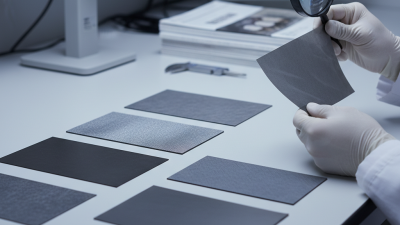
Handling is equally crucial. Use protective gloves to avoid contact with skin oils. Dust and debris can compromise performance. Store sheets in a flat, dry area to prevent warping. While purchasing, always ask for certifications to ensure quality. However, not all suppliers meet high standards. Be prepared to seek multiple quotes to gauge reliability.
Testing different sheets can reveal important insights. It may take time to identify the best fit for your needs. Be mindful of the potential for inconsistent manufacturing. This can lead to unexpected results during performance tests. Sometimes, materials that seem great on paper fall short in real-world applications.