Best Carbon Graphite Sheet Options for Global Buyers?
The demand for carbon graphite sheets is on the rise globally. According to Market Research Future, the carbon graphite market is projected to reach USD 24 billion by 2025. Carbon graphite sheets play a pivotal role in various industries, including electronics, automotive, and energy. Their unique properties, like high thermal conductivity and chemical resistance, make them highly valuable.
However, not all carbon graphite sheets are created equal. Buyers should consider factors such as thickness, purity, and manufacturing processes. Studies indicate that sheets with higher purity levels can improve performance in critical applications. Additionally, recent trends show a shift towards more sustainable sources. This change urges manufacturers to innovate, reflecting the industry's commitment to environmental responsibility.
Despite the growing market, challenges persist. Quality control issues and inconsistent supplier standards remain a concern. Buyers must conduct thorough research to navigate the landscape effectively. Selecting the right carbon graphite sheet can lead to significant operational benefits. Understanding these nuances is essential for making informed purchasing decisions in this competitive environment.

Overview of Carbon Graphite Sheets and Their Applications
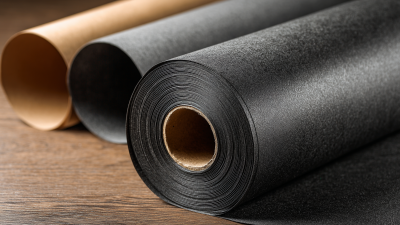
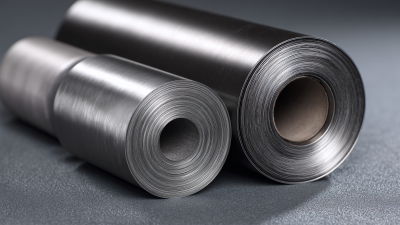
Carbon graphite sheets are multifunctional materials with diverse applications across industries. Their excellent thermal and electrical conductivity make them ideal for various uses. These sheets are often employed in electronics, automotive, and aerospace sectors. They serve as heat sinks and provide electrical insulation in many devices, enhancing performance and longevity.
Tips: When selecting carbon graphite sheets, consider the specific requirements of your application. Thickness, density, and thermal resistance are critical factors. Ensure you choose a sheet that meets your operational needs.
Despite their many benefits, it's essential to remember that not all graphite sheets are created equal. Variations in quality exist, and improper selection can lead to performance issues. Researching material specifications is crucial to avoid potential pitfalls.
Tips: If possible, seek samples before making a bulk purchase. Testing can save time and resources in the long run. Being cautious can help you find the best fit for your projects.
Best Carbon Graphite Sheet Options for Global Buyers
| Type |
Thickness (mm) |
Thermal Conductivity (W/m·K) |
Electrical Conductivity (S/m) |
Application Areas |
| Flexible Carbon Graphite Sheet |
0.5 |
150 |
3000 |
Gaskets, seals, insulation |
| Rigid Carbon Graphite Sheet |
1.0 |
200 |
3500 |
Machinery, electronics, heat management |
| Compressed Carbon Graphite Sheet |
0.75 |
175 |
3200 |
Seals, packings, battery components |
| Expanded Graphite Sheet |
0.6 |
160 |
2900 |
Thermal insulation, electromagnetic shielding |
Key Factors to Consider When Selecting Carbon Graphite Sheets
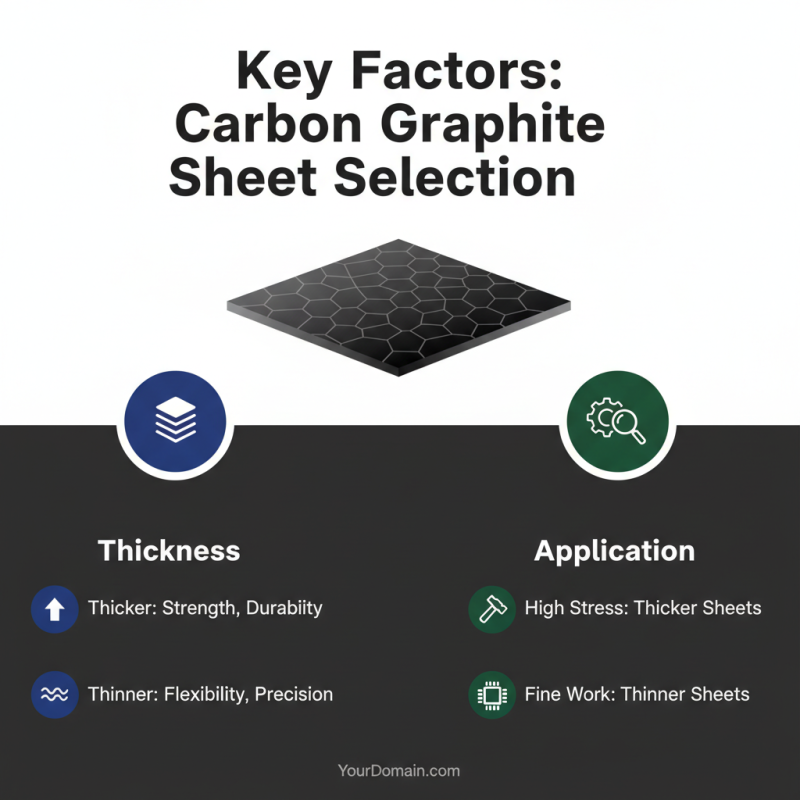
When selecting carbon graphite sheets, it’s essential to consider multiple factors. The thickness of the sheet plays a critical role in its application. Thicker sheets offer greater strength and durability, while thinner options may lend themselves better to flexibility. This is particularly important in applications requiring precision.
Material purity is another key aspect. High-purity graphite sheets minimize contamination risks, enhancing performance. Contaminants can lead to failures in critical applications. Therefore, assessing purity levels is vital to ensure reliability.
Moreover, thermal conductivity should not be overlooked. Carbon graphite sheets are often chosen for their ability to conduct heat. Applications in electronics or thermal management require sheets with specific thermal properties. Choosing the right conductivity level can improve efficiency dramatically.
Lastly, ensure the sheets are tested under relevant conditions. Real-world applications can reveal limitations not encountered in laboratory settings. Testing can help identify these issues, leading to a more informed purchasing decision. Each aspect holds weight in decision-making, leading to more effective outcomes.
Top Global Suppliers of Carbon Graphite Sheets
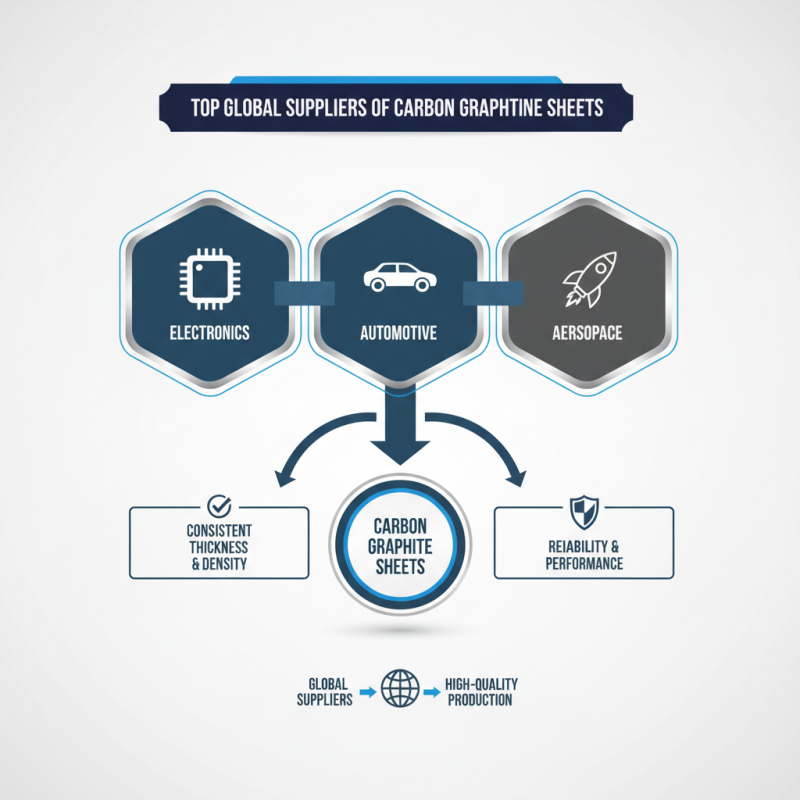
When exploring the best carbon graphite sheet options, it's essential to consider reliable global suppliers. Many manufacturers focus on producing high-quality sheets. These sheets are used in various industries, including electronics, automotive, and aerospace. A reputable supplier offers consistent thickness and density across their products. This ensures reliability in applications where performance is critical.
Global suppliers vary significantly in their capabilities and expertise. Some focus on large-scale production, which may lead to cost-effective options. Others specialize in high-performance variations that cater to niche markets. Understanding the specific needs of your application can help in selecting the right supplier. Engaging with suppliers who emphasize quality assurance is crucial. It reflects their commitment to meeting industry standards.
However, not all suppliers deliver equally. Price vs. quality is a common dilemma. Some may provide low-cost options but compromise on material integrity. Transparency in sourcing and production methods can be hard to find. Seeking out reviews and feedback from previous clients can offer insights into their reputation. Assessing the technical support offered by suppliers is equally important. It indicates their level of expertise and willingness to assist clients.
Comparative Analysis of Carbon Graphite Sheet Materials
The comparative analysis of carbon graphite sheet materials reveals critical insights into their characteristics and applications. These sheets are widely used in industrial settings for their unique properties, including excellent thermal conductivity and chemical resistance. Industry reports indicate that carbon graphite sheet materials typically offer thermal conductivities ranging from 30 to 200 W/mK, depending on composition and structure. This performance makes them ideal for applications in heat exchangers and electronic components.
Another important factor to consider is their mechanical strength. The tensile strength of carbon graphite materials can vary significantly, with some grades exceeding 100 MPa. However, the brittleness of certain formulations can lead to challenges during machining and handling. Buyers should be aware of these trade-offs when selecting materials for specific uses. Additionally, the market trends suggest that sustainable production techniques are increasingly in demand. Many suppliers are shifting towards eco-friendly practices, aligning with global sustainability goals.
Understanding these nuances is essential for buyers aiming for optimal performance and reliability. Organizations must evaluate the specific requirements of their projects against available material properties. Such an approach helps mitigate risks associated with insufficient material characteristics. This careful selection process can ultimately lead to more effective and environmentally responsible applications.
Comparison of Different Carbon Graphite Sheet Materials
Future Trends in Carbon Graphite Sheet Manufacturing and Usage
The landscape of carbon graphite sheet manufacturing is evolving rapidly. Industries are seeking lighter materials that maintain high performance. As electric vehicles and renewable energy sectors grow, carbon graphite sheets play a pivotal role. Their heat resistance and durability make them ideal for critical applications.
Manufacturers are exploring innovative techniques to enhance product quality. Enhanced processing methods can reduce waste and improve efficiency. However, challenges remain. The current production process can be energy-intensive. This raises concerns about sustainability in an environmentally conscious market.
Quality assurance is paramount in the production phase. Firms must adhere to strict standards to ensure reliability. The market demands not only excellent performance but also safety. Future trends suggest increased digital integration in manufacturing. This could lead to real-time monitoring, resulting in improved product consistency. Continuous research and development are essential.